+86-576-82686004
 allen@badavalve.com / daisy@badavalve.com



 EN
EN
 Español
Material Composition and Health Considerations
The fundamental difference between lead free bronze fittings and traditional bronze or brass fittings lies in material composition. Conventional bronze fittings often contain a small percentage of lead, which improves machinability and casting performance. However, lead can leach into water systems, particularly in potable water applications. Lead free bronze fittings are formulated to meet regulatory limits, typically containing no more than 0.25 percent lead by weighted average, in compliance with drinking water standards in many regions.
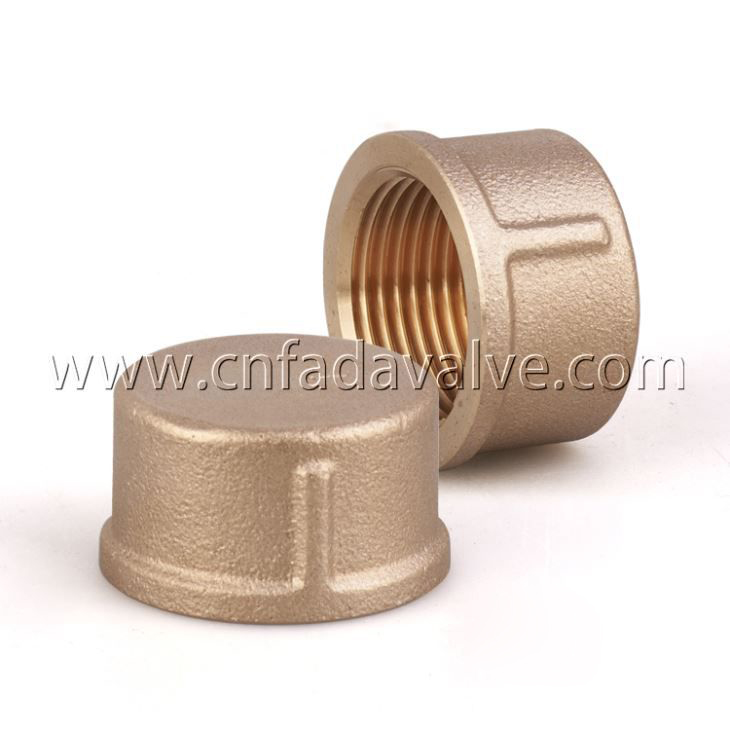
From a health and safety perspective, lead free bronze fittings are specifically designed to reduce potential risks associated with long-term exposure to lead. This makes them suitable for drinking water systems, food processing equipment, and medical or laboratory environments. In contrast, fittings with higher lead content are usually restricted to non-potable or industrial applications.
Mechanical Properties and Performance Differences
In terms of mechanical performance, lead free bronze fittings are engineered to maintain strength, pressure resistance, and durability comparable to traditional bronze fittings. However, removing lead requires adjustments in alloy formulation, often substituting elements such as bismuth, silicon, or phosphorus. These changes can slightly affect hardness, wear characteristics, and machinability.
Traditional bronze fittings with lead may be easier to machine and may offer marginal advantages in certain manufacturing processes. Lead free bronze fittings, while slightly more demanding to produce, are designed to perform reliably under typical operating pressures and temperatures. For plumbing and fluid-handling applications, the functional performance differences are minimal when fittings are selected according to specification.
Regulatory Compliance and Application Scope
Another key difference lies in regulatory acceptance. Lead free bronze fittings are required in potable water systems in many countries due to updated health and safety regulations. This regulatory requirement expands their use in residential, commercial, and institutional plumbing.
By contrast, bronze fittings containing higher lead levels may still be used in industrial systems, irrigation, or closed-loop applications where water is not intended for consumption. As a result, lead free bronze fittings generally have a broader application scope in regulated environments, while traditional fittings are increasingly limited to specialized or non-regulated uses.
Lead Free Bronze Fittings in Drinking Water Systems
Compliance With Potable Water Standards
Lead free bronze fittings are specifically developed to comply with national and international drinking water regulations. These standards are intended to minimize lead exposure from plumbing components over long-term use. As a result, lead free fittings are commonly specified in residential and commercial water supply systems.
Material Stability and Water Quality
The alloy compositions used in lead free bronze fittings are designed to maintain stable surfaces when in contact with water. This stability helps reduce metal leaching and supports consistent water quality, even under varying temperature and flow conditions.
Compatibility With Modern Plumbing Systems
Lead free bronze fittings are manufactured to standard dimensions and thread specifications, ensuring compatibility with copper, stainless steel, and plastic piping systems. This allows them to be integrated into both new installations and retrofit projects without significant design changes.
Long-Term Service Considerations
When properly installed, lead free bronze fittings offer service life comparable to traditional bronze fittings. Regular inspection and adherence to recommended pressure and temperature limits help ensure reliable long-term performance in potable water applications.
Lead Free Bronze Fittings in Industrial and Commercial Use
Adaptation to Industrial Requirements
Although primarily associated with potable water systems, lead free bronze fittings are also used in industrial and commercial environments where regulations or internal standards restrict lead content. Examples include food processing facilities and pharmaceutical production lines.
Performance Under Pressure and Temperature
Lead free bronze fittings are designed to withstand typical industrial operating pressures and moderate temperature ranges. While some traditional bronze fittings may offer slightly higher machinability, lead free variants are engineered to meet practical performance demands.
Cost and Manufacturing Considerations
The production of lead free bronze fittings can involve higher material and processing costs due to alloy complexity and tooling wear. This may result in a modest price difference compared with lead-containing alternatives. However, this cost is often offset by regulatory compliance and broader usability.