+86-576-82686004
 allen@badavalve.com / daisy@badavalve.com



 EN
EN
 Español
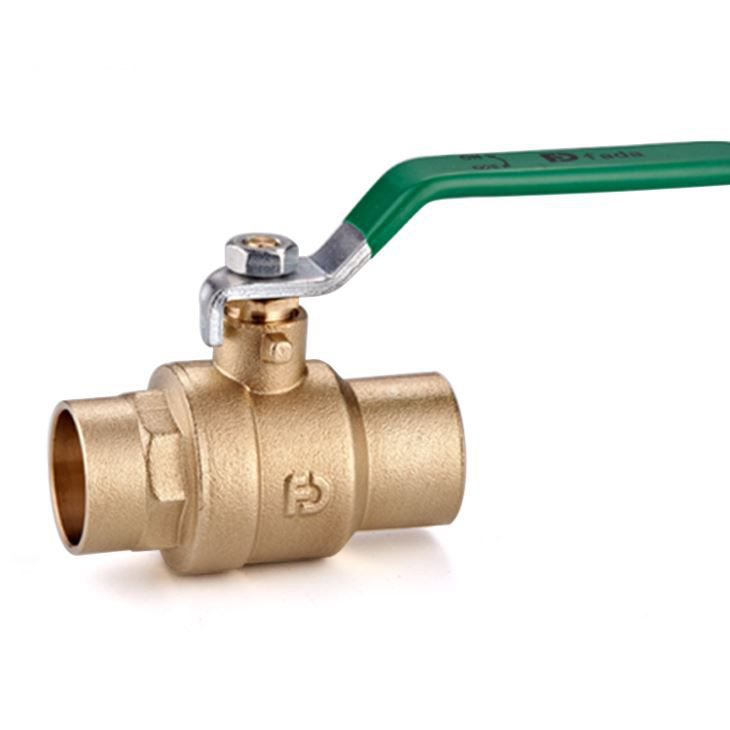
When a project needs clean installation, reliable sealing, and fewer delays, the connection method becomes a buying decision, not a small detail. For buyers comparing options for drinking water and HVAC systems, Lead Free Brass Fittings often sit at the center of that choice. The real question is not only how each method works, but how it affects labor, service access, compliance, and order planning.
Two Connection Methods Two Different Jobsite Priorities
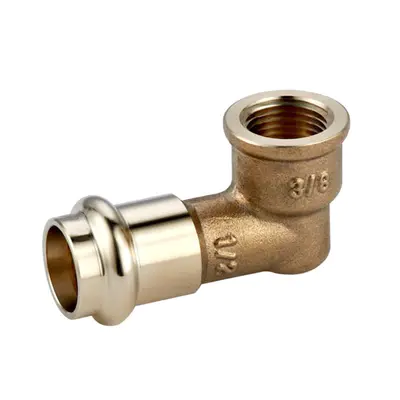
Press Fit Puts Speed And Consistency First
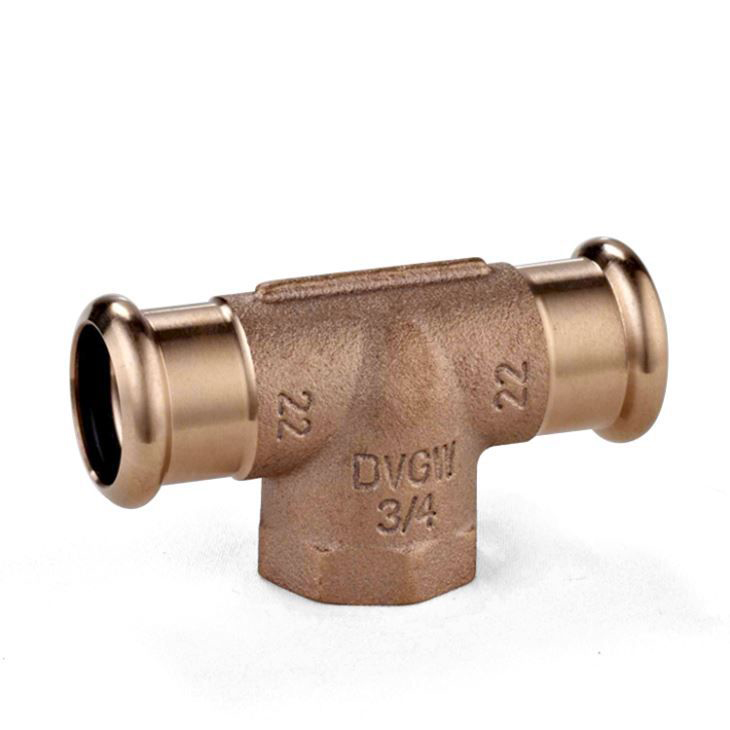
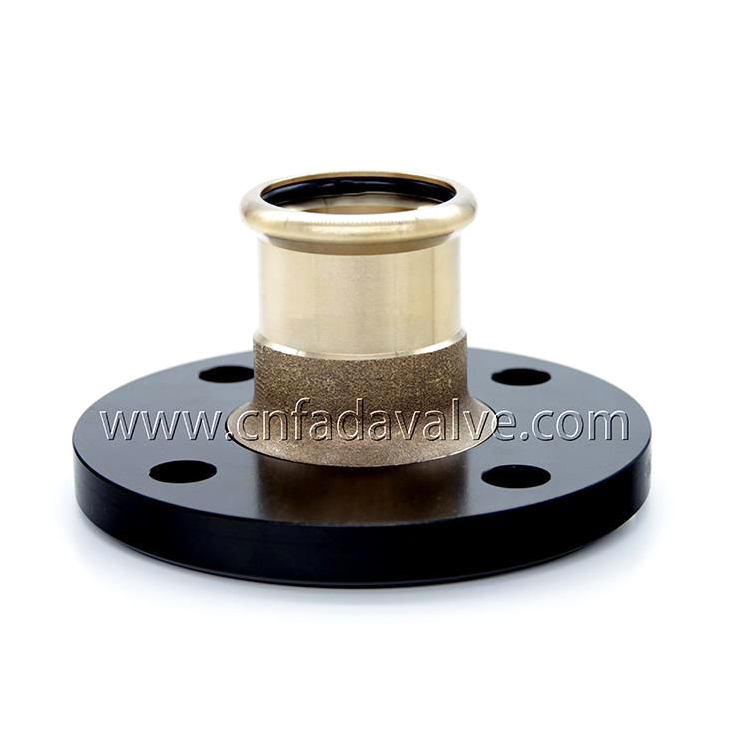
Press fit systems are built for fast assembly. The installer prepares the pipe, inserts the fitting, and uses the correct tool to form the connection.
That process can reduce manual sealing steps and help teams keep work moving in tight spaces or on schedules with limited downtime.
Threaded Fittings Put Flexibility And Service Access First
Threaded systems rely on matched threads and a sealing method during assembly. They suit jobs where parts may need removal, inspection, or later replacement.
For many buyers, the decision starts here. One method favors speed, while the other favors direct mechanical assembly and easier field adjustments.
Which Method Fits the Project Pace
If the project has many connection points, a short installation window, or a need to reduce on site handling, press fit often fits the workflow better. It lets crews complete connections with a repeatable process.
If the project is smaller, more exposed, or likely to need future disassembly, threaded fittings may fit better. The installer can work with common tools and make changes without specialized pressing equipment.
A Simple Comparison For Buyers
| Item | Press Fit | Threaded |
|---|---|---|
| Main advantage | Fast assembly | Easy adjustment |
| Tool need | Specialized pressing tool | Common hand tools |
| Installation style | Repeatable and controlled | Manual and familiar |
| Space handling | Good in tight areas | Good where access is open |
| Service access | Less convenient to remove | Easier to open again |
| Training need | More procedure based | More familiar to many crews |
The choice is not about one method being right for every job. It is about matching the connection to the way the project will be built and maintained.
Material Choice Matters More Than Many Buyers Think
Connection type matters, but material quality matters just as much. When buyers source compliant brass parts for drinking water or HVAC use, the material must support the system, not complicate it.
Why The Material Decision Affects The Whole Job
- It supports water contact requirements.
- It helps reduce concerns about corrosion in suitable applications.
- It gives purchasers a clearer path when they need consistent parts across an order.
- It lowers the risk of mixing incompatible components in the same assembly.
A buyer may compare press fit against threaded first, but the fitting material can shape the final result just as much. That is why Lead Free Brass Fittings are often selected for projects that need both performance and compliance.
What Procurement Teams Should Confirm Early
- The intended application
- The connection method on each branch
- The need for field service later
- The space available for installation
- The expectation for repeat orders
When these points are clear, the purchasing process becomes easier. It also reduces the chance of ordering a fitting that looks suitable on paper but slows the job in practice.
When Does Threaded Still Make Sense?
Threaded fittings remain useful in many real projects. They are not outdated. They are simply better suited to certain conditions.
Threaded works well when the project needs:
- Simple assembly without specialized pressing equipment
- Easier removal during maintenance
- Flexibility for field adjustments
- Familiar installation steps for crews used to threaded work
- Parts that may be inspected or replaced later
Threaded can be less convenient when:
- The work area is crowded
- The installation must move quickly
- The job has many repeated connection points
- The team wants a more uniform assembly process
For buyers, the point is not to dismiss threaded fittings. The point is to decide whether the project values access and flexibility more than speed and repeatability.
Total Value Is More Than The Unit Price
A low unit price does not always mean a lower project cost. Buyers often need to look at the full picture before they place an order.
Compare These Cost Factors
1. Labor time
Faster assembly can reduce time on site.
2. Training needs
A method that requires less explanation can help mixed crews work more smoothly.
3. Tool investment
Some projects already have the required tools, while others would need a new setup.
4. Rework risk
A connection that is hard to assemble correctly can create avoidable labor loss.
5. Service planning
If future access matters, the easier to reopen method may reduce later effort.
6. Inventory planning
Standardizing around one connection style can simplify procurement and storage.
Buyers who compare only the fitting price may miss the larger cost picture. Buyers who compare the full cycle usually make a more stable choice.
What Should Installers Check Before Ordering?
Before the order is placed, installers and buyers should verify a few practical points. These checks help prevent mismatch between the fitting and the jobsite.
A Useful Ordering Checklist
- Is the system meant for drinking water, HVAC, or mixed use?
- Will the installation be exposed, hidden, or crowded?
- Does the crew already have the right tools?
- Will the system need future disassembly?
- Are the connection points repeated many times?
- Does the material fit the project compliance needs?
- Are the pipe ends and fittings matched correctly?
- Is the inspection process simple enough for the job?
A short checklist like this saves time later. It also helps purchasing teams ask better questions before they approve quantities.
Where Press Fit Tends To Fit Better
- Projects with many repeated connections
- Work that needs steady installation speed
- Jobs where reducing manual sealing steps matters
- Areas where open flame is not a good option
- Installations with limited room for repeated tool movement
Where Threaded Tends To Fit Better
- Smaller or simpler assemblies
- Systems that may need later opening
- Projects with common service habits
- Jobs where standard tools are preferred
- Situations where the crew wants direct manual control
A Practical Decision Path For Each Buyer Group
Different buyers care about different details. The same fitting can serve one group well and create friction for another.
For Installers
Choose the method that helps your crew stay consistent. If the job is repetitive and time sensitive, press fit can support steady progress. If the work needs frequent adjustment, threaded may be easier to manage.
For Purchasing Teams
Focus on the whole order, not only the part name. Look at labor flow, storage, assembly habits, and compliance needs. A fitting that is easy to source but hard to use can create hidden cost.
For OEM And Wholesale Buyers
Standardization matters. You may need one connection style for a product line, or you may need both styles for different customers. In that case, think about how each option affects assembly speed, packaging, and repeat orders.
For Project Managers
Your goal is smooth coordination. The connection method should support schedule, labor planning, and handoff to service teams. A good choice is the one that fits the system without creating extra steps.
Can One System Support Both Methods?
Yes, many projects use both connection styles in different parts of the same system. That is often practical when one area needs fast assembly and another area needs service access.
Mixed Systems Work Well When
- A main run needs one style and a branch needs another
- Maintenance points must remain easy to open
- The design team wants flexibility in hard to reach zones
- The buying team wants a single material family across the job
Mixed Systems Need Careful Planning
- Transition points should be clear
- Connection details should be checked early
- The order should stay consistent across the job
- The crew should know where each method is used
When the plan is clear, a mixed setup can give the project more flexibility without adding confusion.
The Buying Decision Becomes Easier When The Use Case Is Clear
For drinking water and HVAC projects, the connection method should support the system, not fight against it. Press fit brings speed and repeatable assembly. Threaded brings access and service flexibility. The right choice depends on how the job will be built, maintained, and ordered again.
For buyers who need compliant, durable, and efficient parts, Lead Free Brass Fittings should be selected with the connection method in mind, not as a separate afterthought. When material, installation method, and project needs align, sourcing becomes simpler and the final system is easier to trust. For those planning the next purchase cycle, Taizhou Bada Valve Co., Ltd. can support product selection, project matching, and order planning with a practical focus on real jobsite needs.