+86-576-82686004
 allen@badavalve.com / daisy@badavalve.com



 EN
EN
 Español
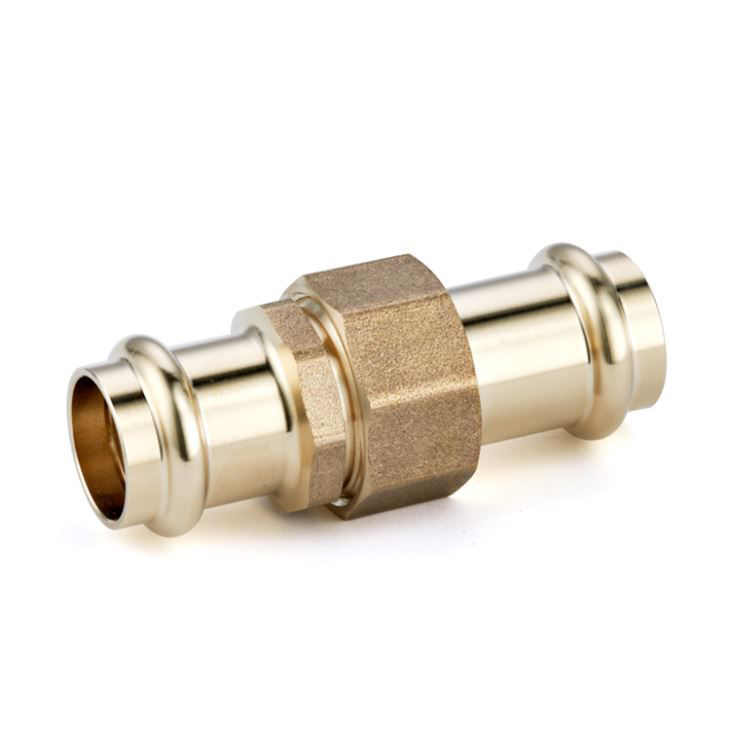
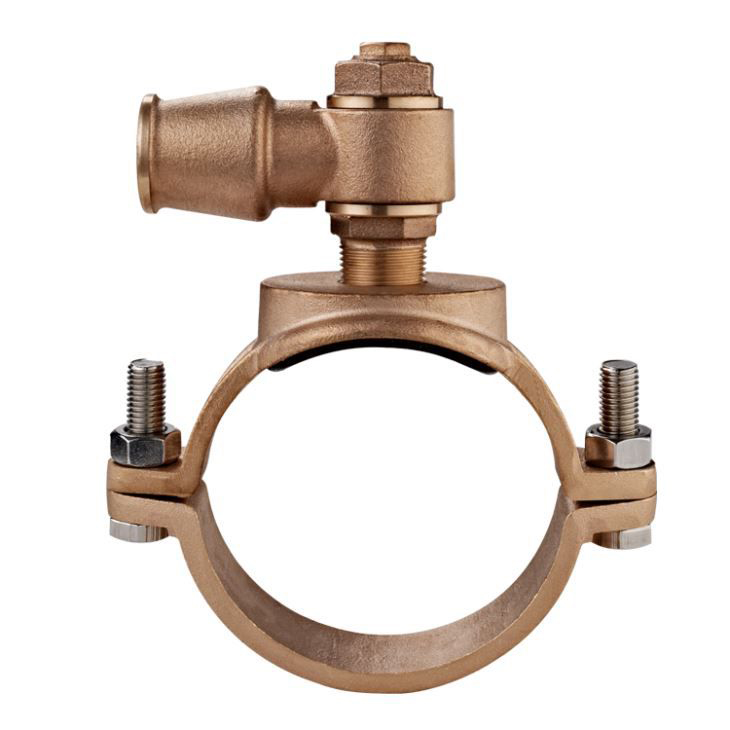
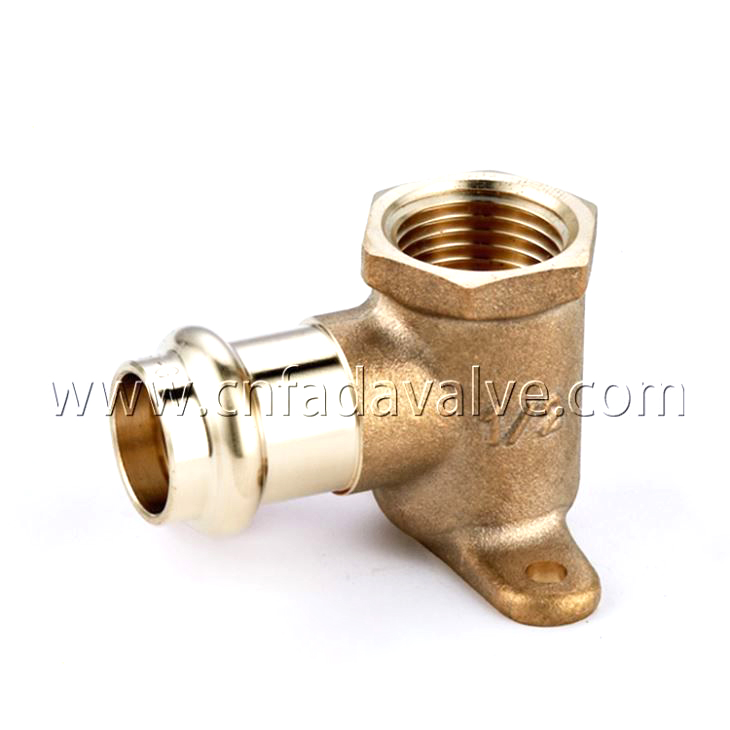
When a project depends on clean water at every tap, the choice of a fitting can feel bigger than the part itself. Lead Free Brass Fittings help reduce the risk that a hidden connection point becomes a source of unwanted contamination. For contractors, distributors, installers, and project owners, the real task is not only finding a durable part, but also choosing one that supports safe water and a smooth buying process.
Why a Small Connection Point Matters
A water system is only as reliable as its weakest contact point. Even when pipes and fixtures look sound, a poor fitting can create concern for water quality, service life, and user trust.
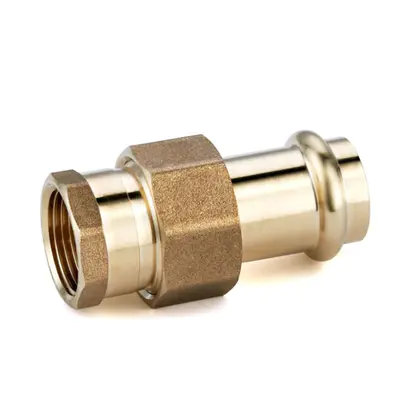
That is why buyers should treat the fitting as a safety decision, not just a hardware choice. In a drinking water system, the connection parts do more than join sections together. They affect stability, sealing, and the quality of the water path.
How Can a Fitting Affect Water Quality
- A fitting can affect water quality in several practical ways.
- It can influence how materials interact with water over time.
- It can affect whether unwanted metals are present in the flow path.
- It can shape how easy the system is to keep clean and stable.
- It can change how confident the end user feels about the whole project.
When the connection is built for drinking water use, the system becomes easier to specify, install, and support.
What Buyers Should Check Before Placing an Order
Procurement teams often need a fast way to compare options. The safest approach is to focus on a few clear points rather than rely on appearance or sales language.
Start with the material, the stated drinking water use, the surface finish, and the supplier’s ability to explain the product clearly. These checks help separate a general plumbing part from one that is meant for a water safety focused project.
Material Behavior in Daily Use
| Buyer Concern | What to Review | Why It Matters |
|---|---|---|
| Water Safety | Material suitability for drinking water | Helps reduce contamination concerns |
| Durability | Resistance to wear and daily use | Supports longer service life |
| Installation | Thread quality and fit consistency | Helps reduce leaks and rework |
| Maintenance | Stability under routine service | Lowers replacement pressure |
| Procurement Clarity | Clear product naming and use scope | Makes ordering easier |
A simple table like this can save time during sourcing and help teams compare options with less confusion.
How These Fittings Support Safer Water
The main value of these fittings is straightforward. They are designed to support drinking water systems with a material profile that reduces concern at the contact point.
Lead Free Brass Fittings are often chosen because they combine strength, workable installation, and a lower risk profile for water contact. That makes them useful in projects where safety, consistency, and purchasing confidence all matter at the same time.
What Should the Spec Sheet Tell You
A useful product sheet should answer practical questions without forcing the buyer to guess.
- Is the fitting intended for drinking water use?
- Does the product description match the project need?
- Is the material composition explained in a clear way?
- Are the connection sizes and thread details easy to verify?
- Can the supplier describe how the part fits into a safe water system?
When these points are clear, the buyer spends less time resolving confusion and more time moving the project forward.
Where It Is Used in Real Projects
The same fitting can serve different buyers, but the reason for choosing it stays consistent. It should support safe water delivery and dependable system assembly.
Common project settings include:
- Residential plumbing systems
- Commercial water distribution lines
- Public use buildings
- Upgrade and replacement work
- New construction projects with drinking water requirements
In each case, the part is expected to do more than connect pipe sections. It must also support a clean and dependable water path.
How to Compare Options Without Guesswork
Many buyers want a simple way to decide between similar products. A useful method is to compare by function, not by marketing language.
What Makes One Option Easier to Trust
Look for these signs.
- The product has a clear drinking water use statement.
- The material description is consistent across documents.
- The thread details are easy to match with the job.
- The finish looks clean and suitable for regular use.
- The supplier can answer questions without delay or confusion.
A product that passes these checks is usually easier to specify, receive, and install with confidence.
Why Installation Habits Still Matter
Even a well chosen fitting can underperform if installation is rushed. Safe water depends on both product selection and field practice.
Installers should pay attention to sealing, alignment, thread engagement, and compatibility with the rest of the system. Good habits during assembly help protect the water path and reduce the chance of avoidable service calls.
How Can Installers Protect the System
A few simple habits make a strong difference.
- Keep connection surfaces clean before assembly.
- Match the fitting to the pipe and connection type.
- Avoid forcing parts that do not align naturally.
- Check for leaks after installation is complete.
- Follow the system plan instead of improvising on site.
These steps are basic, but they support both safety and project efficiency.
How to Choose the Right Match for the Project
Different buyers look for different things, yet the decision process can stay simple. The right choice is the one that fits the water use, the installation plan, and the purchasing workflow.
For engineers, the focus may be on system suitability and connection reliability. For wholesalers, it may be on stock clarity and repeat order confidence. For installers, it may be on ease of use and fast verification. For project owners, it is often about trust, consistency, and long term value.
What Should Be Reviewed Before Final Approval
Use this final check before signing off.
Product use matches drinking water needs.
- Connection details match the system design.
- Material description is clear and consistent.
- Supplier support is easy to reach.
- Delivery and order flow fit the project schedule.
This keeps the buying process practical and reduces the chance of avoidable change orders later.
How a Good Supply Partner Helps the Buyer?
A product alone does not solve the full problem. Buyers also need a supply partner that understands how water safety, specification clarity, and project timing work together.
A dependable supplier helps with clear product naming, consistent quality, and a smoother path from inquiry to order. That support matters because procurement teams often work under pressure and need answers that are easy to verify.
What Should Buyers Ask a Supplier?
Ask direct questions.
- Is the product intended for drinking water systems?
- Can the supplier explain the connection type clearly?
- Is the product range easy to match with project needs?
- Are replacement and bulk orders handled in a steady way?
- Can the team support both technical review and purchasing needs?
Clear answers save time and help the buyer move with confidence.
Closing the Loop from Safety to Purchase
For drinking water projects, the fitting is not a minor detail. It is part of the system that protects trust at the point where water begins its journey through the network. That is why buyers should treat material choice, installation practice, and supplier support as one connected decision. If your team is evaluating safe water components and wants a practical route from specification to purchase, Lead Free Brass Fittings can be a strong starting point, and Taizhou Bada Valve Co., Ltd. is ready to support that next step with product options, purchasing guidance, and project focused service.