+86-576-82686004
 allen@badavalve.com / daisy@badavalve.com



 EN
EN
 Español
What defines a lead-free brass valve, and what are the current regulatory standards?
The definition of "lead-free" is established by law and refers specifically to the wetted surfaces of a valve—the parts that come into contact with the water. In the United States, the federal Safe Drinking Water Act, as amended, sets the standard. Since 2014, the Reduction of Lead in Drinking Water Act has mandated that valves and other plumbing components used for potable water must have a weighted average lead content of not more than 0.25% across their wetted surfaces. This is often expressed as "not more than a quarter of one percent." A common compliant alloy is "EnviroBrass" or similar, which substitutes elements like bismuth, silicon, or selenium for bring about maintain machinability. It is important to note that a valve stamped "lead-free" may still contain lead in non-wetted components, such as external handles or mounting brackets, but the wetted interior must meet the strict threshold.
How do lead-free brass alloys perform compared to traditional leaded brass?
The performance characteristics show both differences and equivalencies. From a health and compliance perspective, lead-free alloys are designed to minimize lead leaching, which is their primary functional advantage in potable water systems. Mechanically, lead-free brass can have slightly different properties. It is often described as somewhat "gummier" or less free-machining than leaded brass, which can affect manufacturing tool life and cost. However, for the end-user in terms of pressure rating, temperature tolerance, and corrosion resistance in typical municipal water systems, certified lead-free brass valves perform to the same established standards as their predecessors. Properly manufactured lead-free valves meet or exceed industry standards for burst pressure and service life. The sealing components, such as stems and seats, are typically made from non-metallic materials like PTFE or reinforced polymers, regardless of the body alloy.
Are lead-free brass valves required for all applications, or only for potable water?
The requirement is application-specific and is primarily driven by the intended use of the fluid being conveyed. The strict "lead-free" standard (≤0.25% lead) is legally mandated for potable water systems—those supplying water for drinking, cooking, and bathing. This includes residential, commercial, and institutional plumbing. For non-potable applications, the rules differ. Valves used for closed-loop heating systems, irrigation, industrial process water (where water is not for human consumption), fuel gas, compressed air, or other fluids may still be manufactured from standard leaded brass alloys. Using a lead-free valve in these systems is acceptable but not required. However, it is a common practice for inventory simplification, and many manufacturers now produce of their standard product lines in compliant alloys to meet the dominant market demand.
What should be considered when selecting and installing a lead-free brass valve?
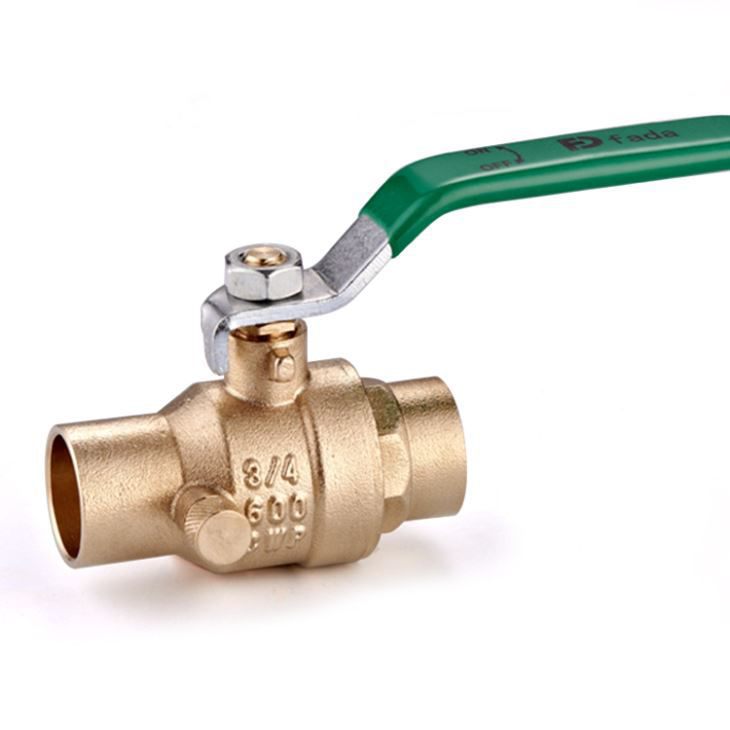
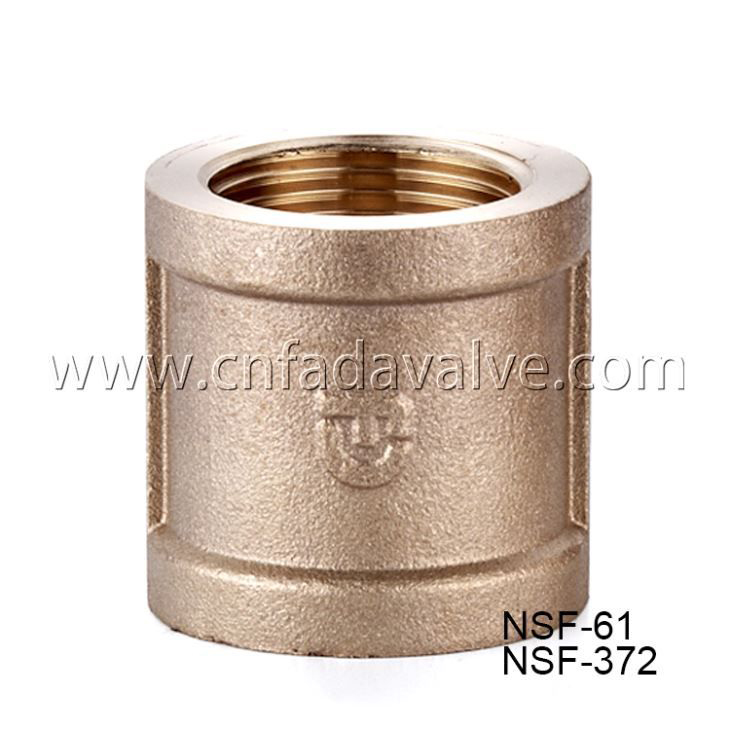
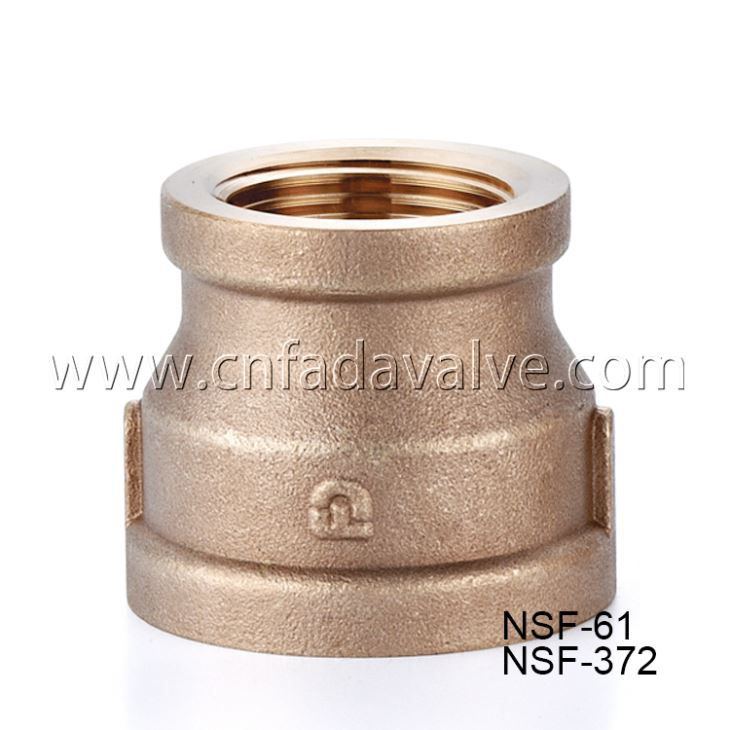
Selection involves verifying compliance, matching the valve to the service, and following correct installation practices. Ensure the valve is clearly marked with a "LF" (Lead-Free) stamp or a similar certification from recognized bodies, such as NSF/ANSI 61 or NSF/ANSI 37. Check the pressure and temperature ratings stamped on the valve body to ensure they are suitable for the system's operating conditions. Material compatibility is also important; for instance, using valves with dezincification resistant (DZR) brass is advised in areas with aggressive water chemistry. During installation, it is good practice to flush the system thoroughly before final commissioning to remove any manufacturing debris or particulate matter. While the valve body is lead-free, the solder or flux used in connecting copper piping must also be lead-free for potable lines. Using incompatible, leaded solder on the joints would negate the benefit of the lead-free valve.
The transition to lead-free brass valves represents a regulatory and material evolution focused on public health. These valves are defined by a strict lead content threshold on their wetted surfaces, perform reliably in service, and are mandated for drinking water applications. Their selection requires attention to certification markings and system compatibility. Understanding these factors allows for informed decision-making that aligns with both legal requirements and the practical needs of a functional piping system.