+86-576-82686004
 allen@badavalve.com / daisy@badavalve.com



 EN
EN
 Español
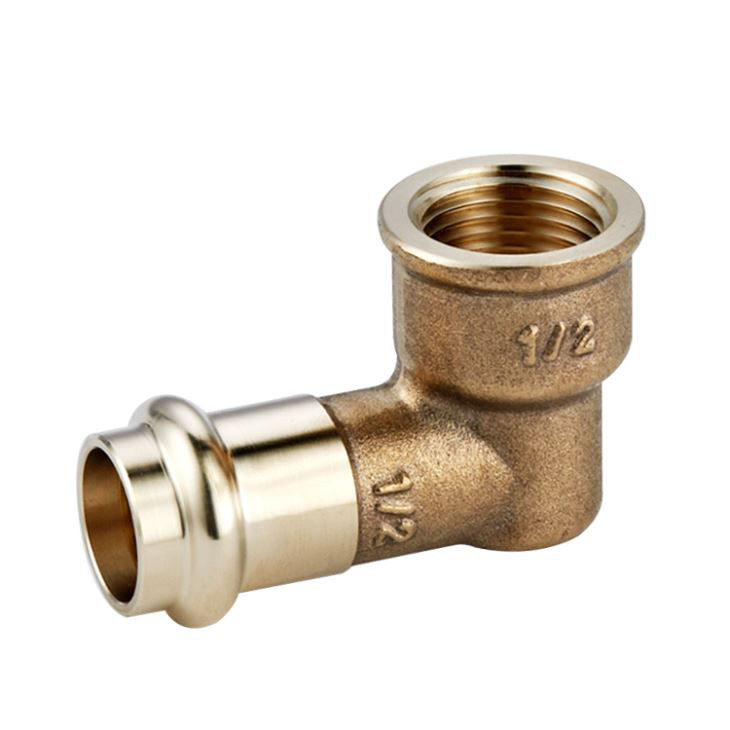
Press fit brass unions come in several designs to meet the requirements of different piping systems. Key types include:
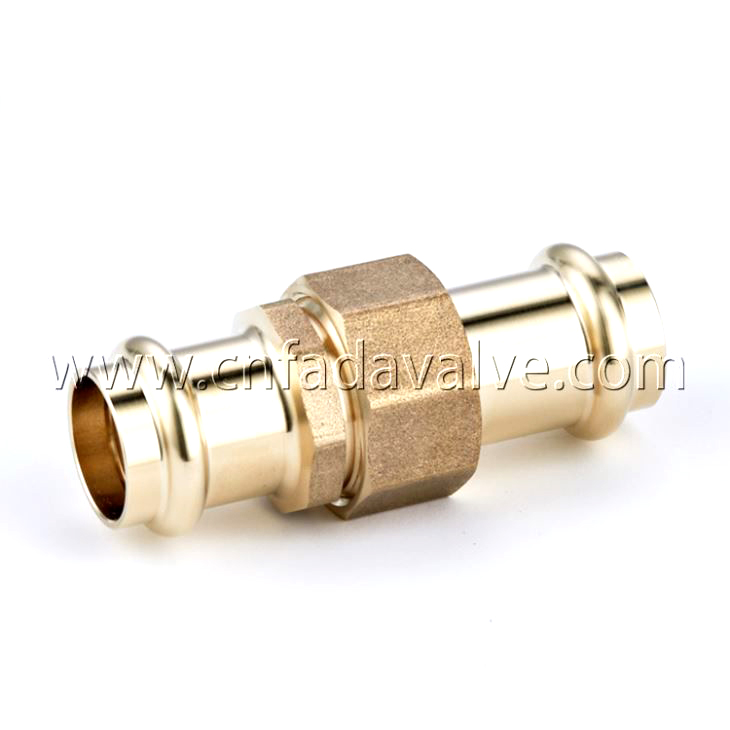
Standard Brass Unions
These fittings are used to join two pipes of the same diameter. They allow for disassembly and maintenance without cutting the pipe.
Threaded Brass Unions
These combine press fit connections with threaded ends, allowing integration with threaded equipment or valves.
Reducing Brass Unions
Designed to connect pipes of different diameters while maintaining a secure, leak-free connection.
Flanged Press Fit Unions
Feature a flange for connection to other flanged components in commercial or industrial systems.
The choice of union depends on pipe material, size, and the system’s requirements for pressure and temperature.
Where are press fit brass unions commonly used?
Press fit brass unions are employed in various systems due to their ease of installation and reliability. Common applications include:
Residential Plumbing Systems
Used in water supply lines, sinks, and heating connections where secure, easy-to-install joints are needed.
Commercial and Industrial Piping
Suitable for water, gas, and HVAC systems where frequent maintenance or modular installation is required.
Hydronic Heating Systems
Facilitate connections between boilers, radiators, and pumps, allowing for quick assembly.
Irrigation Systems
Applied in agricultural or landscaping piping networks for reliable water distribution.
Equipment Connections
Connect appliances, valves, and instrumentation without soldering, which reduces installation time and the risk of heat-related damage.
Temporary or Modular Systems
Press fit unions are ideal where piping may need to be disassembled for maintenance or relocation.
These applications demonstrate the versatility of press-fit brass unions in systems where installation speed and secure connections are important.
What installation precautions should be followed?
Correct installation is essential to ensure leak-free and durable performance. Key precautions include:
Use the Correct Press Tool
Press fit connections require specific tools compatible with the fitting size and manufacturer specifications.
Check Pipe and Fitting Compatibility
Ensure the pipe material (copper, PEX, or stainless steel) matches the fitting type. Incompatible materials may compromise the joint.
Clean the Pipe and Fitting
Remove debris, oxidation, or burrs from the pipe end before installation to ensure a proper seal.
Verify Insertion Depth
Many unions have a marking to indicate how far the pipe should be inserted. Full insertion ensures correct compression and sealing.
Avoid Excessive Force
Pressing the fitting incorrectly or with excessive pressure can deform the joint and compromise the connection.
Inspect After Installation
Check that the press marks are uniform and that the fitting is properly aligned with the pipe.
Following these steps reduces the risk of leaks and extends the operational life of the system.
What maintenance considerations apply to press fit brass unions?
While press fit brass unions require minimal maintenance, periodic inspection can help prevent problems:
Check for visible leaks at connection points, especially in systems exposed to temperature or pressure fluctuations.
Ensure press markings are intact. Faded or incomplete press marks may indicate improper installation.
Avoid mechanical stress on the fittings. Excessive bending or vibration of connected pipes can weaken the joint.
Inspect the surrounding area for corrosion or buildup that could affect sealing surfaces over time.
In systems where disassembly is necessary, use the manufacturer-approved method for removing unions to avoid damaging the fitting or pipe.
Routine checks ensure that press fit unions maintain their reliability and prevent minor issues from developing into more significant problems.