+86-576-82686004
 allen@badavalve.com / daisy@badavalve.com



 EN
EN
 Español
The press fit process relies on mechanical deformation to create a sealed joint between the fitting and the pipe, rather than using soldering, welding, or threaded connections. This method has gained attention in residential, commercial, and some light industrial installations due to its efficiency and consistency. However, like any joining process, it brings both benefits and limitations.
Basic Principles of the Press Fit Process
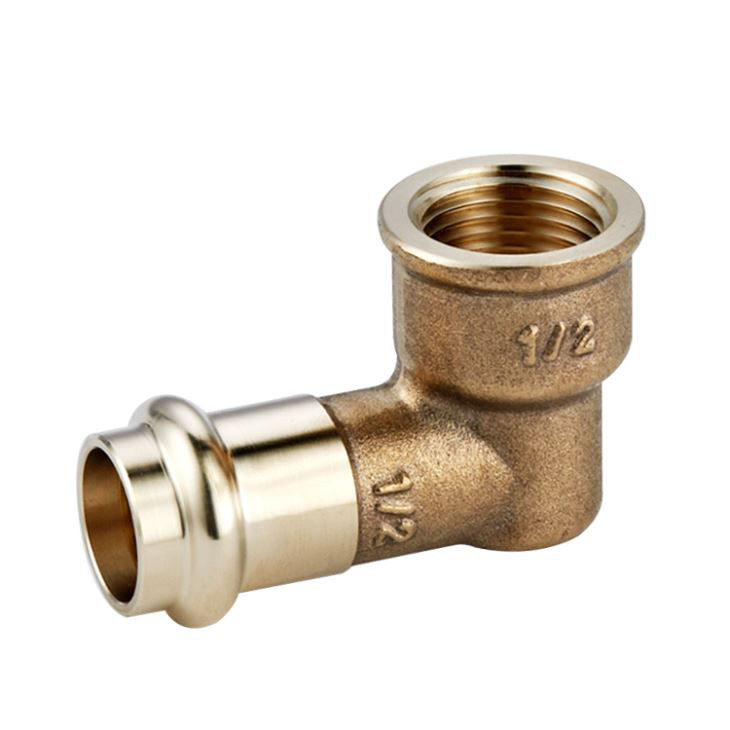
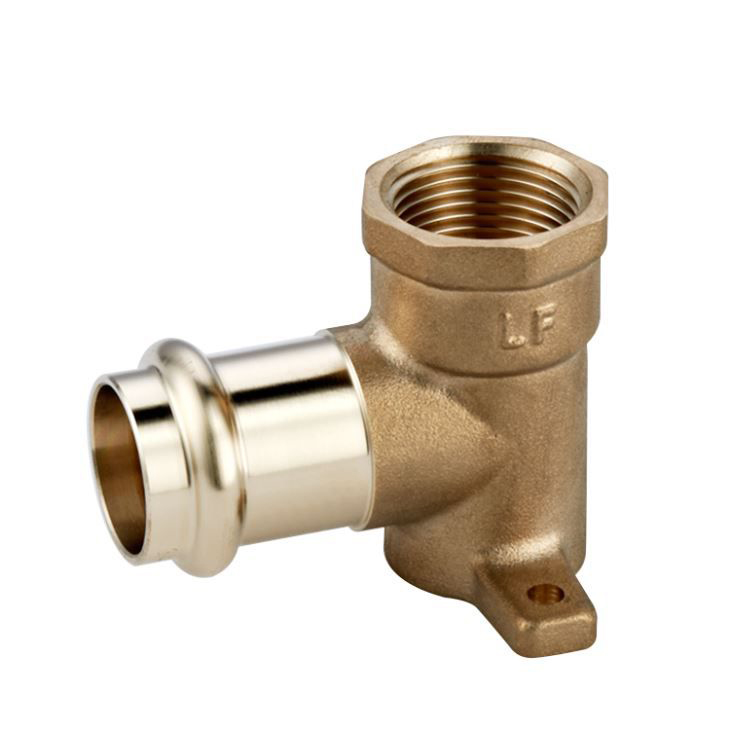
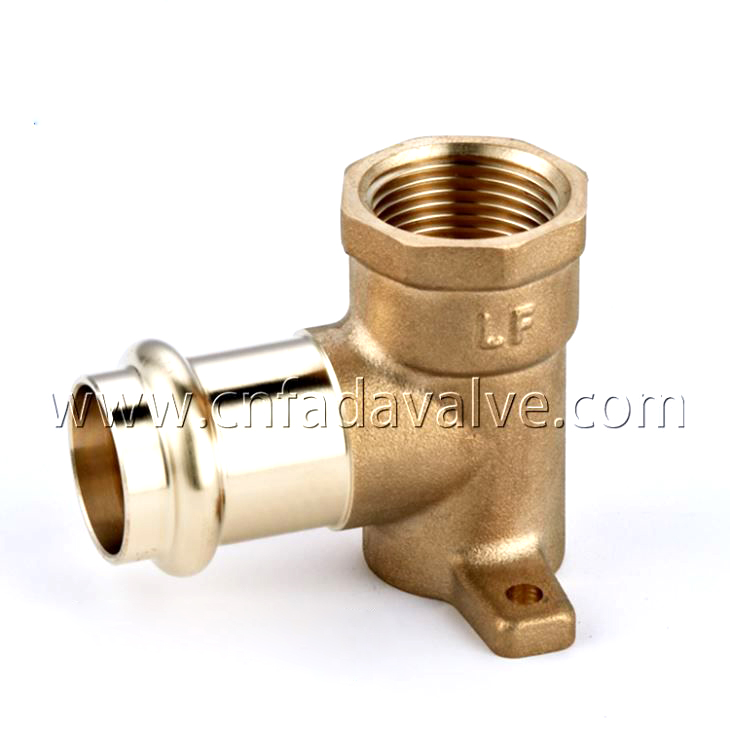
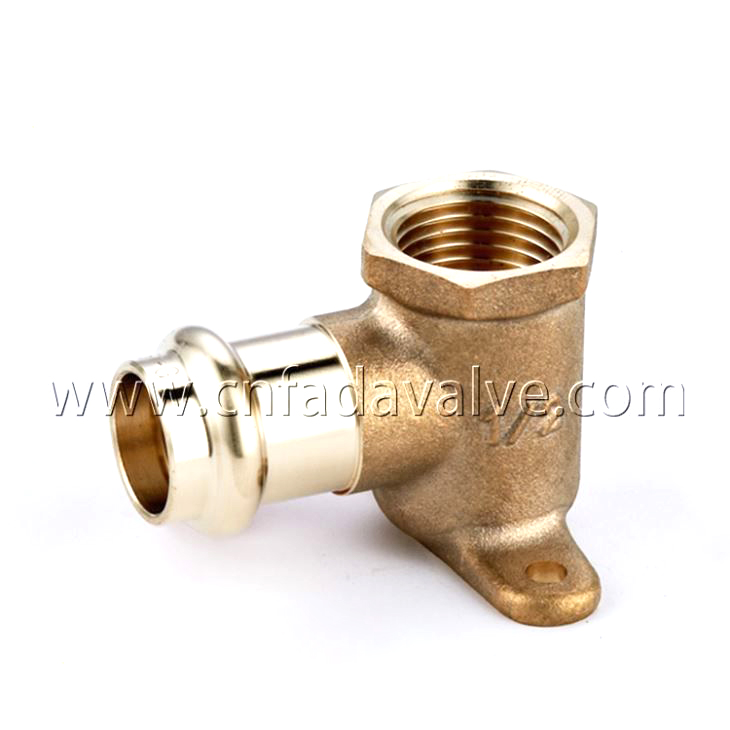
The press fit process involves inserting a pipe into a brass elbow that contains an internal sealing element, usually an elastomer O-ring. A specialized pressing tool then compresses the outer wall of the fitting around the pipe. This deformation creates mechanical retention and compresses the sealing ring to form a watertight joint. The integrity of the connection depends on proper pipe preparation, correct alignment, and the application of uniform pressing force. Unlike threaded or soldered joints, no heat is applied, and no additional bonding materials are required.
Advantages of Press Fit Brass Elbows
One of the primary advantages of press fit brass elbows is the speed of installation. Since the process eliminates soldering, cooling time, and thread sealing steps, a joint can be completed in a matter of seconds. This can significantly reduce labor time on large plumbing projects, especially where many connections are required.
Another advantage is the reduction of fire and safety risks. Traditional soldering requires open flames, which can pose hazards in confined spaces or near combustible materials. The press fit process avoids these risks entirely, making it suitable for renovation projects or locations with strict safety regulations.
Consistency of joint quality is also a notable benefit. When installed with calibrated pressing tools, press fit connections tend to show uniform compression and repeatable results. This reduces the variation that can occur with manual soldering or thread tightening, which depends more heavily on installer skill and experience.
Press fit brass elbows also support cleaner installation sites. Because there is no flux, solder, or sealing tape involved, the work area remains relatively clean. This is particularly useful in occupied buildings where dust, smoke, or odors from soldering can cause disruption.
In addition, brass as a material offers balanced mechanical strength and corrosion resistance for many water supply and heating applications. Combined with a press fit connection, it provides a joint that can handle typical residential and commercial operating pressures when used within specified limits.
Disadvantages Related to Equipment and Cost
Despite the efficiency of the process, press fit brass elbows require specialized tools. Pressing machines and jaw sets represent an initial investment that is higher than the basic tools needed for soldering or threaded installation. For small contractors or occasional users, this equipment cost can be a practical barrier.
The fittings themselves are often more expensive than traditional soldered or threaded brass elbows. This means that while labor costs may be lower, material costs can be higher. The overall cost balance depends on project size, labor rates, and installation conditions.
Tool maintenance and calibration also add to the long-term cost. Pressing tools must deliver consistent force to ensure reliable joints. Wear in the tool or incorrect jaw selection can affect the quality of the press, increasing the risk of leaks.
Sensitivity to Installation Conditions
Another limitation of the press fit process is its sensitivity to preparation and alignment. The pipe must be cut square, deburred, and cleaned before insertion. Any debris or damage at the pipe end can compromise the seal of the O-ring. Improper insertion depth may also prevent full compression of the sealing element.
Unlike soldered joints, which can sometimes be reheated and adjusted, press fit connections are permanent. If a joint is misaligned or installed incorrectly, the fitting usually has to be cut out and replaced. This can increase material waste and rework time in the event of installation errors.
Environmental conditions also influence the performance of the sealing ring. Most press fit systems rely on elastomers that are selected for specific temperature and chemical resistance ranges. If the fluid temperature, chemical composition, or external environment falls outside the specified range, the long-term sealing performance may be reduced.