+86-576-82686004
 allen@badavalve.com / daisy@badavalve.com



 EN
EN
 Español
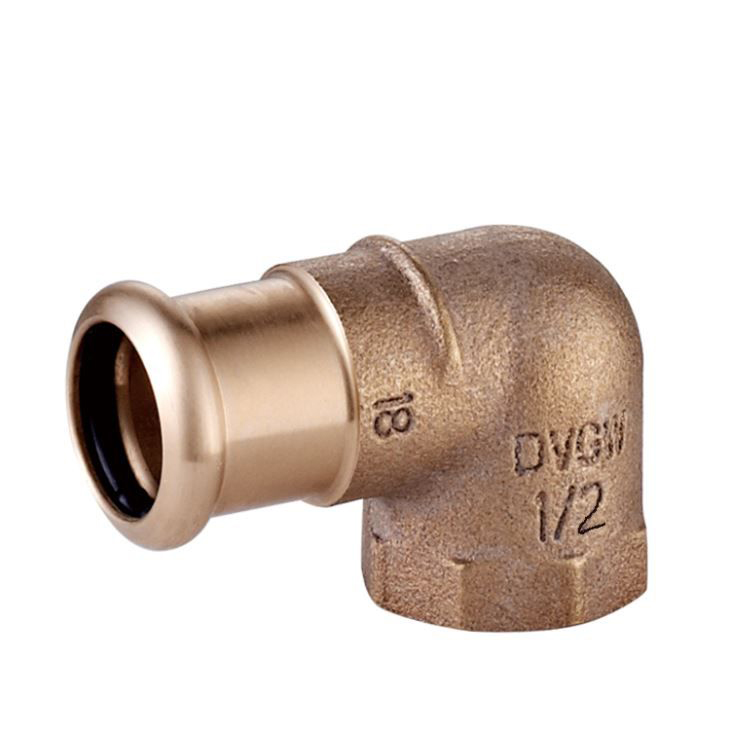
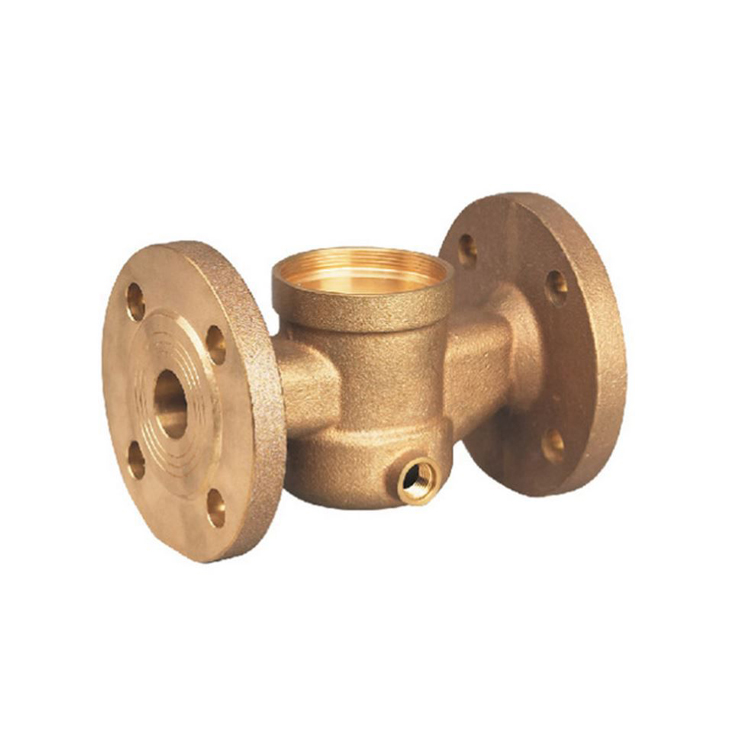
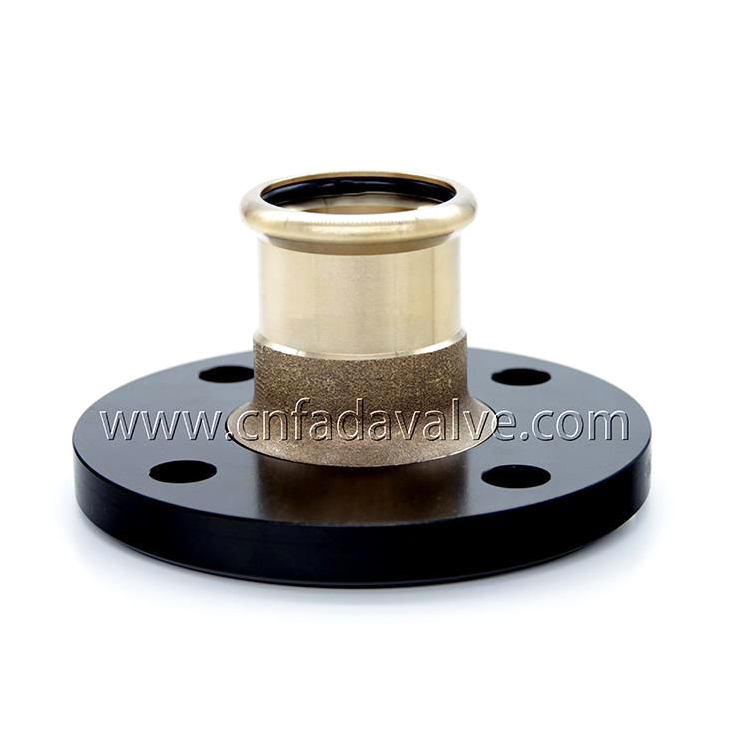
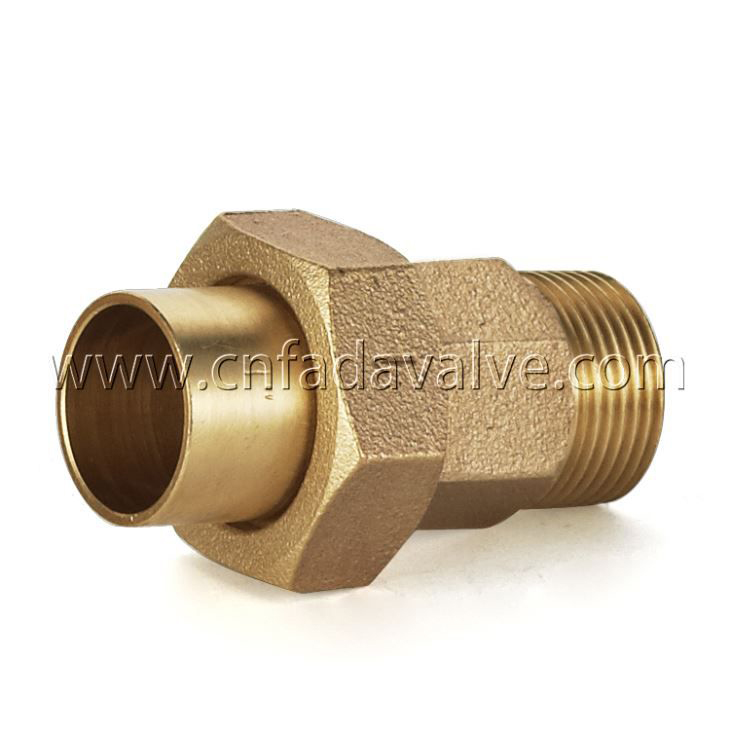
Lead free bronze fittings are manufactured using alternative alloy compositions that replace of the lead with elements such as silicon, bismuth, or phosphorus. These elements help retain workability while maintaining mechanical strength and corrosion resistance. The fittings are used to connect pipes, valves, and other plumbing components in water supply, heating systems, and industrial piping.
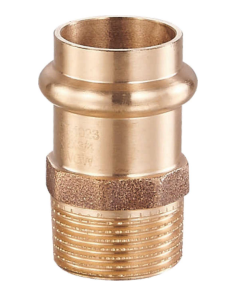
From a structural standpoint, lead free bronze fittings include common forms such as elbows, tees, couplings, reducers, and threaded adapters. They are produced through casting, forging, or machining processes, followed by surface treatments such as polishing or coating when required. Their primary identity lies not in shape but in the composition of the alloy, which is designed to comply with modern health and environmental standards.
Why Are Lead Free Bronze Fittings Important for Health and Safety?
The main reason for the growing use of lead free bronze fittings is their role in protecting human health. Lead is a toxic metal that can dissolve into water when traditional lead-containing alloys are used in plumbing systems. Over time, this can result in elevated lead levels in drinking water, posing risks to both children and adults.
Children are particularly vulnerable to lead exposure, as it can affect neurological development and learning ability. In adults, long-term exposure may contribute to cardiovascular and kidney-related issues. Because of these risks, many countries and regions have introduced strict limits on allowable lead content in materials that come into contact with potable water. Regulations such as the U.S. Safe Drinking Water Act and similar standards in Europe and other regions have accelerated the shift toward lead free materials.
By using lead free bronze fittings, the likelihood of lead leaching into water is significantly reduced. This improves the overall safety of residential, commercial, and public water systems. Even in non-potable applications such as heating and industrial cooling systems, the reduction of lead improves workplace safety during installation, maintenance, and disposal. Therefore, lead free bronze fittings support both direct health protection and broader environmental safety goals.
What Are the Main Applications of Lead Free Bronze Fittings?
Lead free bronze fittings are widely used in systems where water quality, durability, and corrosion resistance are required. One of their common applications is in residential and commercial drinking water plumbing. They are used to connect water supply lines, water meters, faucets, and filtration systems. Their compatibility with copper pipes and other common plumbing materials makes them suitable for both new construction and renovation projects.
In addition to potable water systems, lead free bronze fittings are also used in heating systems, including hydronic heating and radiant floor heating. In these environments, they must withstand elevated temperatures, internal pressure, and long service cycles. The inherent corrosion resistance of bronze alloys allows them to perform reliably under such conditions.
Industrial applications also make use of lead free bronze fittings, particularly in food processing, pharmaceutical manufacturing, and chemical handling systems where material safety is a concern. In these sectors, the avoidance of heavy metal contamination is essential for product integrity and regulatory compliance.
Outdoor and marine environments represent another application area. Lead free bronze fittings are used in irrigation systems, seawater piping, and dock installations due to their resistance to saltwater corrosion. Although alternative materials such as stainless steel and plastics are also used in these environments, bronze remains a practical option where mechanical strength and long-term stability are needed.
How Do Lead Free Bronze Fittings Compare With Traditional Bronze or Brass Fittings?
In terms of mechanical performance, lead free bronze fittings generally offer strength, pressure resistance, and durability comparable to traditional bronze fittings. However, the change in alloy composition does affect certain processing characteristics. Traditional leaded bronze is easier to machine because lead acts as a lubricant during cutting. Lead free alloys, by contrast, tend to be slightly harder and may require different tooling and machining parameters during production.
From a corrosion resistance perspective, lead free bronze fittings perform well in water and heating applications. The use of silicon or phosphorus as alloying elements can enhance resistance to dezincification and general corrosion. This helps maintain internal surface integrity over extended periods of use.
Cost is another consideration. Lead free bronze fittings are often priced higher than traditional brass or leaded bronze fittings. This is due to both material costs and the more controlled manufacturing processes required to meet regulatory standards. However, in many regions, the use of lead free products is not optional but mandatory for potable water systems, which limits the relevance of price comparison in such cases.
In terms of environmental impact, lead free bronze fittings align more closely with modern sustainability objectives. They reduce the release of hazardous metals into water systems and simplify recycling at the end of service life, as fewer toxic elements are involved. This makes them more compatible with long-term environmental management goals.