+86-576-82686004
 allen@badavalve.com / daisy@badavalve.com



 EN
EN
 Español
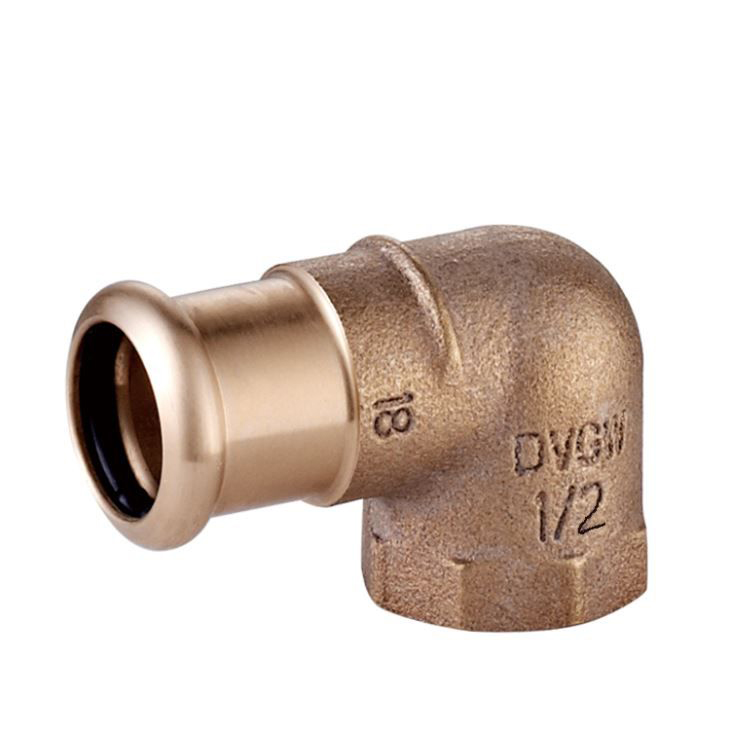
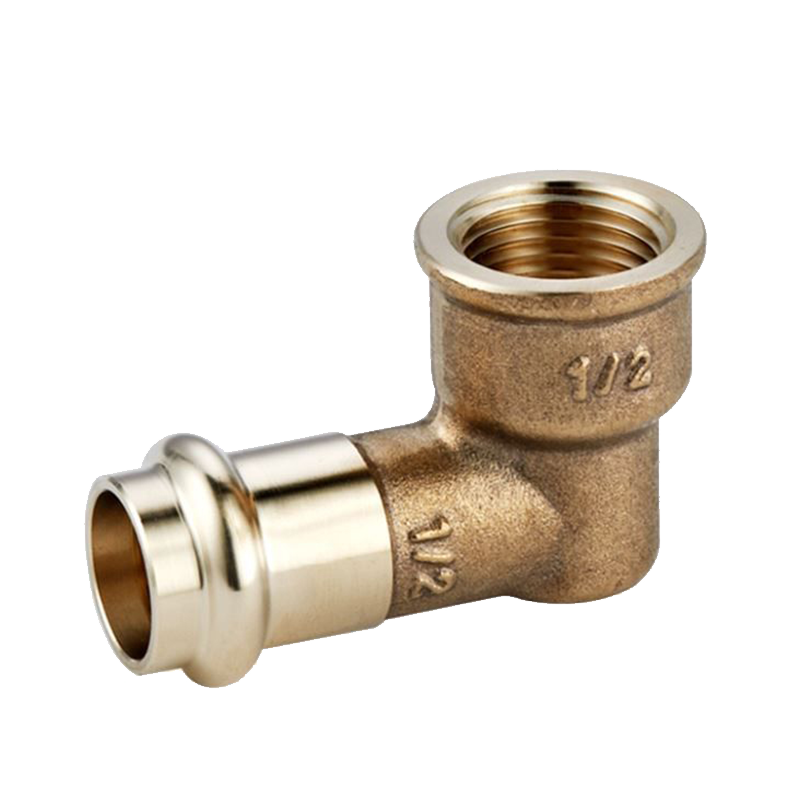
Press fit brass elbows are common components in modern plumbing and heating installations. They are designed to connect pipes at angles, typically 45 or 90 degrees, without the need for soldering, threading, or welding. Instead, the connection is made using a mechanical pressing process that compresses the fitting onto the pipe, creating a secure joint. These fittings are used in residential, commercial, and industrial applications, particularly where speed, reliability, and safety are priorities.
1. Structure and Working Principle
Press fit brass elbows consist of a brass body, an integrated sealing element such as an O-ring, and a press zone that is compressed using a specialized tool. When a pipe is inserted and the fitting is pressed:
- The O-ring is compressed, forming a watertight seal.
- The brass body is deformed slightly, creating a strong mechanical bond.
- The connection is immediately ready for use, without waiting for cooling or curing.
This mechanism eliminates the need for open flames or adhesives, making installation safer and simpler in confined spaces.
2. Applications in Plumbing and Heating
Press fit brass elbows are versatile and are used in several systems:
- Potable water distribution: They comply with hygiene standards and are compatible with copper, stainless steel, or composite pipes.
- Heating systems: Brass elbows are resistant to moderate temperatures, making them suitable for radiators and underfloor heating circuits.
- Renovation projects: Because no soldering is required, press fit fittings allow fast upgrades or replacements in existing installations.
- Industrial applications: Press fit connections are sometimes used in low-pressure gas and compressed air systems, where standards permit.
3. Advantages of Press Fit Brass Elbows
The design offers practical benefits:
Reduced installation time compared to soldered or threaded joints.
Consistent sealing performance through integrated O-rings.
Minimal maintenance once installed, as the mechanical joint is stable under normal operating conditions.
Safety during installation, with no exposure to flames or adhesives.
Although not a replacement for high-temperature or high-pressure applications, press fit brass elbows provide a reliable option for standard plumbing needs.
Press Fit Brass Elbow: Comparison and Selection of Different Materials
Material selection influences performance, durability, and application suitability. Press fit elbows can be made from brass, bronze, or stainless steel, each with specific characteristics.
1. Brass: Common Choice for Residential Use
Brass is an alloy of copper and zinc and is widely used in potable water systems.
Corrosion resistance: Brass maintains integrity in typical water conditions.
Mechanical strength: It withstands internal water pressure and handling during installation.
Surface compatibility: Works well with copper, stainless steel, or multilayer composite pipes.
Cost-effectiveness: Offers a balance between durability and affordability.
Brass is suitable for domestic and commercial water distribution systems.
2. Bronze: Higher Corrosion Resistance
Bronze, primarily a copper-tin alloy, provides enhanced corrosion resistance in certain water conditions.
Chemical stability: Less prone to dezincification than some brass alloys.
Durability: Maintains structural integrity in more aggressive water environments.
Cost consideration: Typically higher than standard brass due to material composition.
Bronze elbows are preferred where long-term exposure to corrosive water is a concern.
3. Stainless Steel: High Strength and Hygiene
Some press fit elbows are made from stainless steel for specialized applications.
Corrosion resistance: Stainless steel resists rust and staining, especially in humid or outdoor environments.
Hygienic surfaces: Smooth, easy-to-clean surfaces are beneficial for sanitary systems.
Mechanical performance: Stronger than brass and bronze, suitable for higher mechanical stress.
Stainless steel elbows are often used in food processing, laboratories, or industrial installations.
4. Selection Criteria
When choosing a press fit elbow material, consider:
Water chemistry: Check for pH, chloride, or other mineral content that could affect metal stability.
Temperature and pressure: Ensure the material meets system specifications.
Installation environment: Consider exposure to moisture, vibration, or external impacts.
Cost and availability: Brass is generally the widely available and cost-efficient for standard plumbing.