+86-576-82686004
 allen@badavalve.com / daisy@badavalve.com



 EN
EN
 Español
Specifying fittings for a potable water system carries a level of responsibility that other plumbing decisions do not. The wrong alloy composition does not just affect longevity or pressure performance — it affects the safety of the water that people drink. Plumbing engineers, contractors, and procurement teams working on residential, commercial, or municipal water supply projects increasingly face the same question: which No Lead Brass Fittings are compliant, compatible, and reliable enough for long-term potable water service? The answer depends on alloy composition, certification status, fitting type, and how the product will perform across the full range of conditions the system will encounter.
Why Lead Content in Brass Fittings Matters for Drinking Water
Brass Alloy Composition Directly Affects Water Safety
Standard brass is an alloy of copper and zinc, but it historically included another element to improve machinability — the ease with which the material can be cut and threaded during manufacturing. Lead makes brass easier to work with in production. It also leaches into water over time, particularly in acidic or soft water conditions, and in systems where water sits stationary in the pipe for extended periods.
Regulatory frameworks in multiple markets now set strict limits on a specific metal's content in any fitting that contacts potable water. The compliance threshold varies by region, but the direction is consistent: that metal's content in fittings used in drinking water systems needs to be at or below a low level — in practice, nearly absent in the alloys used by compliant manufacturers.
Brass fittings manufactured without that metal use alloy formulations that achieve the required machinability and strength characteristics without relying on it as an additive.
Bismuth, silicon, and other elements substitute for lead's processing role while producing a fitting that is safe for sustained contact with drinking water.
What Alloy Types Are Used in Compliant Lead Free Fittings?
The Alloy Behind the Fitting Determines Its Performance Profile
Several brass alloy families are used in brass fittings made without that metal for potable water applications. Each has a different balance of machinability, corrosion resistance, strength, and cost:
- Bismuth brass: Bismuth directly substitutes for another material in the alloy, preserving similar machinability characteristics.
The resulting fittings are easy to manufacture to tight tolerances and perform well in standard water supply conditions. - Silicon brass: Silicon-modified alloys offer strong dezincification resistance — the process by which zinc leaches from brass in certain water chemistries, weakening the fitting over time. Silicon brass is well suited to water systems with low pH or high dissolved oxygen content.
- DZR brass (dezincification resistant): Though not always lead-free by itself, DZR alloys are formulated to resist dezincification specifically. When combined with a low-lead or no-lead formulation, they address two durability concerns simultaneously.
- Red brass / higher copper alloys: Alloys with a higher copper content naturally have lower zinc content and therefore lower dezincification risk. These alloys are used where long service life in aggressive water conditions is the priority.
The alloy selection is not just a materials question — it affects how the fitting performs over its full service life in the specific water chemistry of the installation.
Which Fitting Types Are Available in Lead Free Brass?
The Product Range Covers the Full Scope of Water Supply Connections
Lead free brass fittings for potable water are available across the standard range of connection types used in residential and commercial plumbing systems:
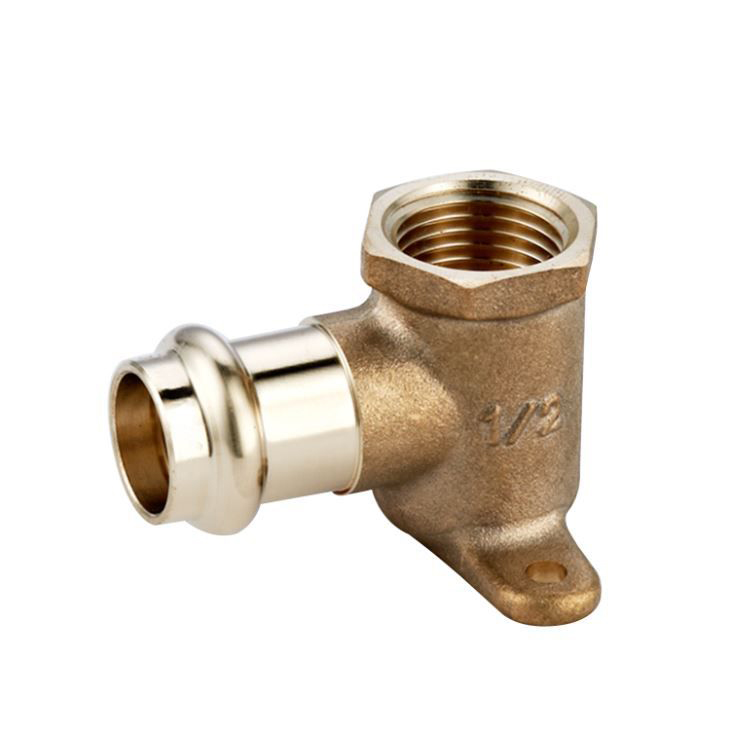
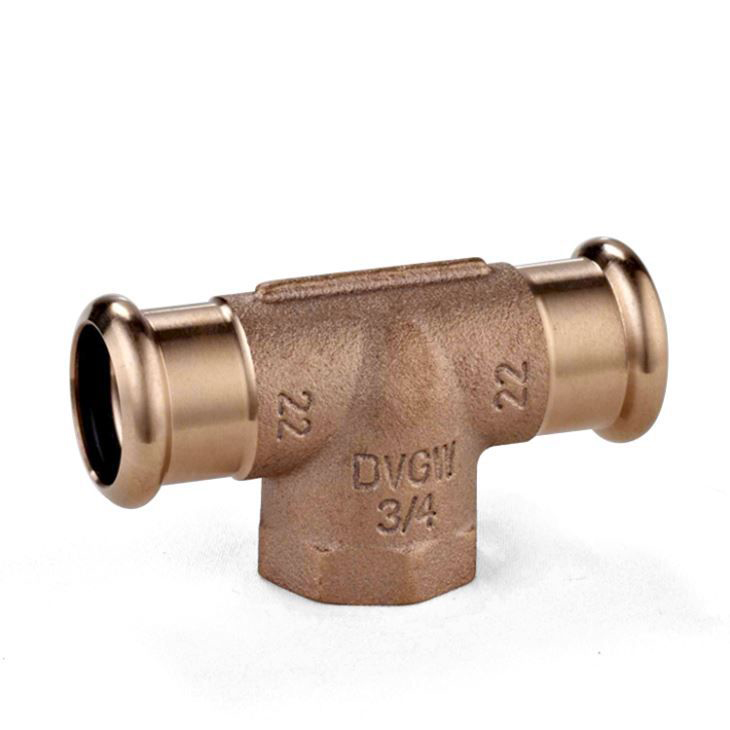
- Compression fittings — for connections to copper or plastic pipe without soldering
- Push-fit fittings — for rapid tool-free connections in accessible locations
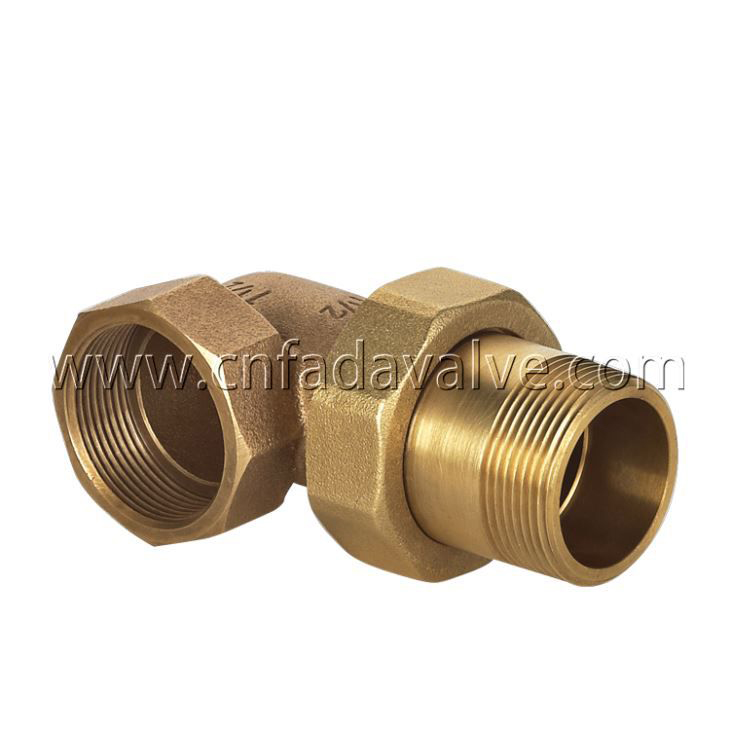
- Threaded fittings — NPT, BSP, and other thread standards for pipe-to-pipe or pipe-to-valve connections
- Flare fittings — for connections in higher-pressure or vibration-prone applications
- Solder-end fittings — for traditional copper pipe installations
- Lead-free brass valves — ball valves, gate valves, and check valves in compliant alloys
- Lead free brass nipples — short threaded sections used to extend or adapt threaded connections
The availability of all standard fitting types in compliant alloys means that a potable water system can be built entirely from no-lead components without compromising on connection method or compatibility.
How Certifications Confirm Compliance for Potable Water Use
Certification Is the Verifiable Proof That the Fitting Meets the Standard
A manufacturer's claim that a fitting is lead-free is a starting point, not a guarantee. Independent certification against recognized standards is the mechanism that confirms the alloy composition, leaching characteristics, and performance under potable water conditions have been tested and verified.
Certifications relevant to brass fittings made without that metal across markets:
| Certification | Region / Market | What It Covers |
|---|---|---|
| NSF/ANSI 61 | North America | Leaching limits for materials in contact with drinking water |
| NSF/ANSI 372 | North America | Lead content in plumbing products (weighted average calculation) |
| WRAS | United Kingdom | Water fittings regulations approval for potable water contact |
| ACS | France | Sanitary compliance for water contact materials |
| KTW / W270 | Germany | Hygienic compliance for drinking water fittings |
| AS/NZS 4020 | Australia / New Zealand | Testing of products for use with drinking water |
For procurement teams sourcing fittings across multiple markets, confirming which certifications apply to the destination market — and that the supplier holds current certification documentation — is a due diligence step that prevents compliance issues after installation.
Does Lead Free Brass Perform Differently From Standard Brass?
The Performance Differences Are Real but Manageable With the Right Alloy
Taking that metal out of the alloy formulation does change some material characteristics, and it is worth understanding which differences are significant for a given application:
- Machinability: Lead-free alloys are generally harder to machine than leaded brass. For buyers, this means that thread quality and dimensional tolerance in no-lead fittings depend more heavily on the manufacturer's tooling capability and quality control than in standard brass production.
- Pressure rating: Brass alloys made without that metal, when well formulated, maintain the pressure ratings needed for standard water supply applications. The alloy change does not reduce burst pressure or thread strength in properly manufactured fittings.
- Corrosion resistance: Some lead-free alloys — particularly silicon brass — offer better dezincification resistance than standard free-machining brass. In aggressive water chemistry, the lead-free version may actually outlast a conventional fitting.
- Cost: Lead-free alloys typically cost more per unit of raw material than standard brass. This cost difference narrows at volume and is offset by the compliance value in regulated markets.
- Soldering compatibility: Lead-free fittings intended for solder connections require lead-free solder to maintain the potable water compliance of the joint. This is a system-level consideration, not just a fitting specification.
Understanding these differences prevents specification errors and sets accurate expectations for installation behavior and long-term performance.
Key Considerations When Specifying No Lead Fittings for a Water Project
Getting the Selection Right Requires Matching Fitting to System Conditions
A structured approach to fitting selection for potable water systems reduces the risk of specifying a product that is compliant on paper but underperforms in the actual installation environment:
- Confirm the applicable standard for the destination market — certification requirements vary, and a fitting certified for one market may not satisfy the requirements of another.
- Assess the water chemistry — pH, dissolved oxygen, and mineral content all affect which alloy performs well over time. Silicon brass or DZR variants may be appropriate where water is known to be aggressive.
- Identify the connection method required — compression, threaded, push-fit, or solder connections all require different fitting designs and compatible installation tooling.
- Verify thread standard compatibility — NPT and BSP threads are not interchangeable. Specifying the wrong thread standard creates installation problems that are expensive to correct.
- Request certification documentation before purchase — not just a claim that the product is certified, but the actual certificate number and issuing body, which can be independently verified.
- Check whether lead-free brass valves and nipples are available in the same product family — using mismatched fittings and valves from different alloy specifications introduces uncertainty into the compliance picture for the whole system.
Comparing Lead Free Brass Fitting Types for Common Potable Water Applications
How different fitting configurations serve common installation needs:
| Fitting Type | Connection Method | Typical Use | Key Selection Factor |
|---|---|---|---|
| Compression fitting | Tool-assisted compression | Copper or plastic pipe joins | Tube compatibility |
| Push-fit fitting | Tool-free push connection | Accessible residential connections | Pipe size range |
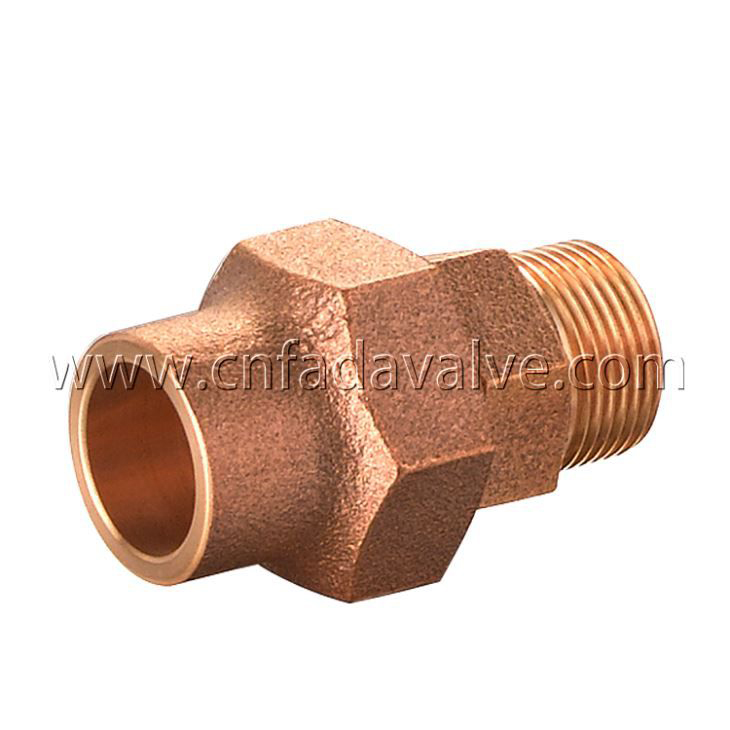
| Threaded union | NPT or BSP thread | Pipe-to-equipment connections | Thread standard match |
| Lead free brass nipple | Threaded both ends | Pipe extension or offset | Thread length and size |
| Ball valve (lead-free) | Integral to pipe run | Flow control in potable supply | Pressure rating |
| Flare fitting | Flared tube end | Higher-pressure connections | Tube wall thickness |
Selecting across these categories from a supplier who offers the full range in compliant alloys simplifies the procurement process and maintains consistency across the installation.
Sourcing No Lead Brass Fittings for Potable Water Projects
Compliance is not optional in drinking water systems — and the fitting specification is where that compliance either holds or fails. A product that claims lead-free status without independent certification, or that uses an alloy formulated for industrial rather than potable water use, creates liability that extends well beyond the fitting itself. or contractors, engineers, and procurement managers sourcing brass fittings made without that metal for residential, commercial, or municipal potable water projects, Taizhou Bada Valve Co., Ltd. manufactures brass fittings and valves, including brass fittings made without that metal designed for potable water applications, covering a range of connection types, alloy specifications, and certification options for different market requirements. Contacting their team to discuss specific project requirements, certification documentation, or volume sourcing arrangements is a practical way to confirm whether their product range suits the compliance and performance standards your project demands.