+86-576-82686004
 allen@badavalve.com / daisy@badavalve.com



 EN
EN
 Español
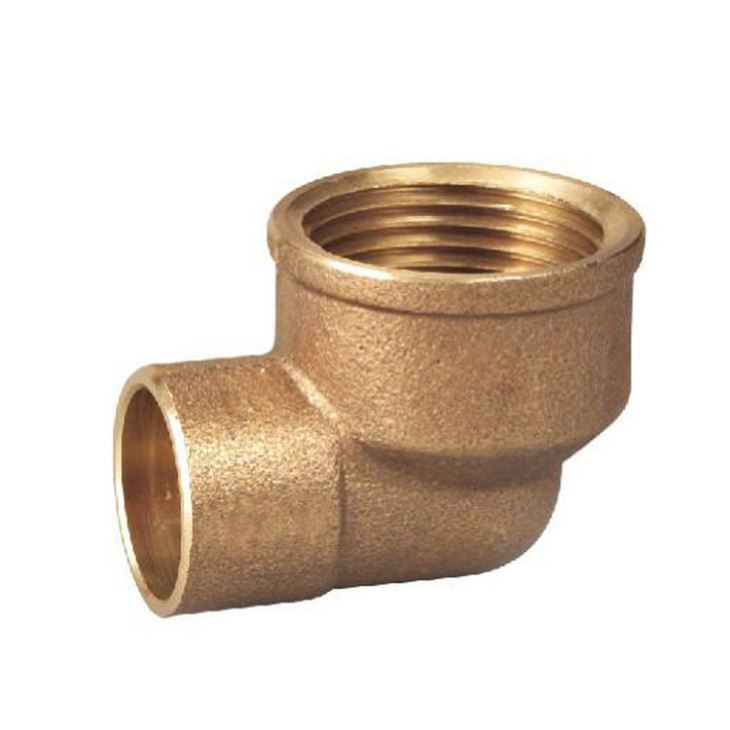
Components of a Press Fit Bronze Elbow
A press fit bronze elbow is a factory-manufactured fitting with several integrated parts designed for a specific joining process. Its primary components are as follows:
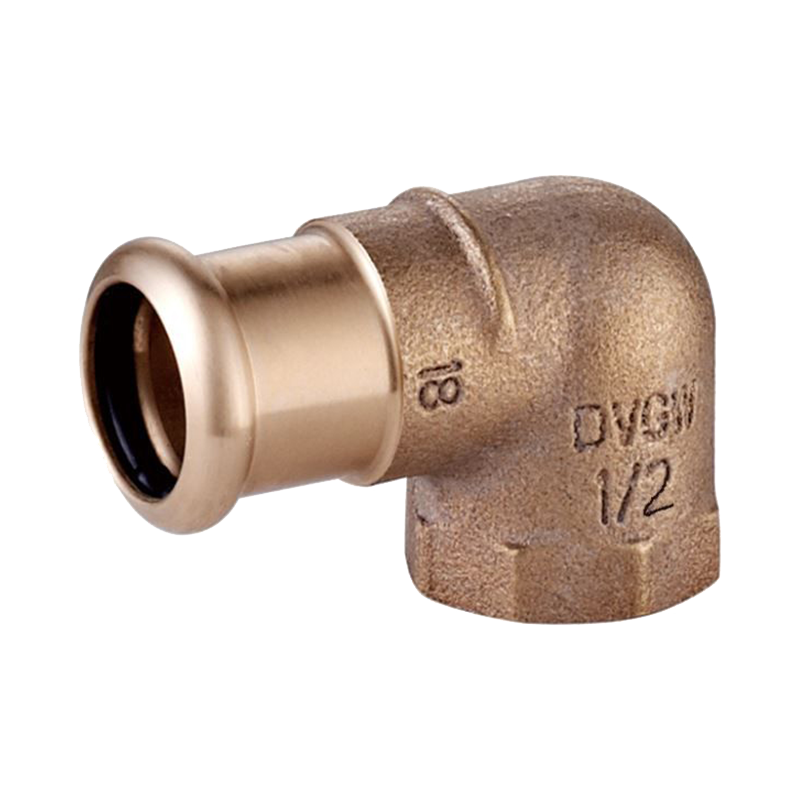
Bronze Body: The main structure of the elbow is made from a copper alloy, typically a lead-free dezincification resistant (DZR) bronze or a similar brass alloy. This material provides corrosion resistance and mechanical strength, forming the curved section that defines the elbow's angle.
Press Sleeves: Integrated into each end of the elbow body are cylindrical sleeves. These are the sections that will be inserted over the ends of the copper or compatible metal pipes. The interior diameter of these sleeves is sized to fit snugly over the outside diameter of the pipe.
Pre-Installed Sealing Element: Inside each press sleeve is a factory-inserted elastomeric O-ring or gasket. This ring, usually made from materials like EPDM (ethylene propylene diene monomer), is responsible for creating a watertight and gas-tight seal when the connection is compressed.
Grip Ring or Barbed Insert: Surrounding the sealing element, the interior surface of the press sleeve often features a series of circumferential ridges, barbs, or a textured grip ring. This component bites into the outer surface of the pipe during the pressing operation, providing a mechanical grip that resists pull-out and helps hold the joint together under pressure or vibration.
Visual Inspection Holes: Many press fit elbows feature one or two small holes in the body of the press sleeve. After the joint is pressed, the pipe should be visible through these holes, providing a visual confirmation that the pipe has been fully inserted to the correct depth before the pressing tool is engaged.
Common Uses for Press Fit Bronze Elbows
These fittings are employed in various systems where reliable, fast, and flame-free connections are needed for metallic piping.
Potable Water Distribution
A primary application is in residential and commercial plumbing systems for hot and cold drinking water. Press fit bronze elbows are used to navigate corners and changes in direction within walls, ceilings, and floors, connecting runs of copper or bronze tubing. Their lead-free certification and resistance to corrosion make them suitable for this purpose.
Hydronic Heating and Cooling Systems
In systems that use water to transfer heat, such as radiators, underfloor heating circuits, and chilled beam cooling installations, these elbows are used to construct the piping networks. They connect to copper pipes that carry the heated or chilled water from boilers, chillers, and pumps to the terminal units throughout a building.
Compressed Air and Industrial Gas Lines
For certain non-corrosive industrial gases and compressed air systems operating within specified pressure and medium limits, press fit bronze systems can be used. The fittings provide a robust, leak-resistant connection for copper tubing that carries these utilities to machinery and workstations.
Fuel Gas Piping
Specifically approved press fit bronze fittings, meeting stringent standards like ASTM F1974, are used in some regions for natural gas and propane distribution within buildings. They connect copper tubing running to appliances such as furnaces, water heaters, and stoves, offering an alternative to threaded or welded steel pipe connections.
Precautions for Using Press Fit Bronze Elbows
Correct handling and installation are necessary to ensure joint integrity and system safety.
Material and Tool Compatibility
Ensure the fitting is certified for the specific fluid or gas being carried (e.g., potable water, natural gas). The pipe must be compatible; press fit bronze elbows are designed for use with specific types of copper tube (Types K, L, or M) or listed stainless steel. Using the wrong pipe material or an incorrect outside diameter will result in a failed joint. It is necessary to use the manufacturer-recommended pressing tool and matched pressing jaws that correspond exactly to the fitting size and shape.
Proper Preparation and Inspection
The pipe end must be cut square using a tube cutter and deburred thoroughly to remove any internal or external ridges. Any scratches, gouges, or out-of-round deformation on the pipe end will compromise the seal. The pipe must be inserted fully into the elbow until it bottoms out against the internal stop. The visual inspection holes must be checked to confirm correct insertion depth before pressing.
Pressing Procedure and Verification
Position the pressing tool's jaws squarely over the press sleeve markings, ensuring the tool is perpendicular to the pipe. Complete the press cycle in one continuous motion until the tool's jaws fully close and release. A complete, uniform indentation should circle the entire sleeve. After pressing, it is advisable to mark the fitting with a permanent marker to indicate it has been installed, preventing a second, damaging press attempt on the same joint.
System Testing and Limitations
Do not use press fittings as a hanger or support point for the pipe; separate pipe supports must be installed near the fittings. After installation, the entire system must be pressure tested according to relevant codes before being concealed within walls or ceilings. Avoid using these fittings in applications where they will be subject to continuous torsional stress, severe vibration beyond design limits, or direct burial in soil without appropriate cathodic protection, as galvanic corrosion can occur.