+86-576-82686004
 allen@badavalve.com / daisy@badavalve.com



 EN
EN
 Español
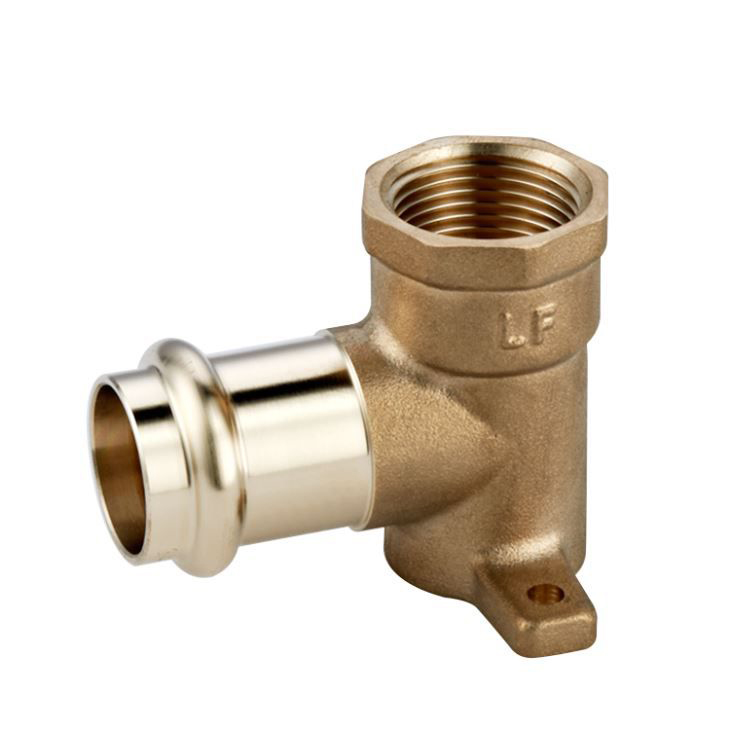
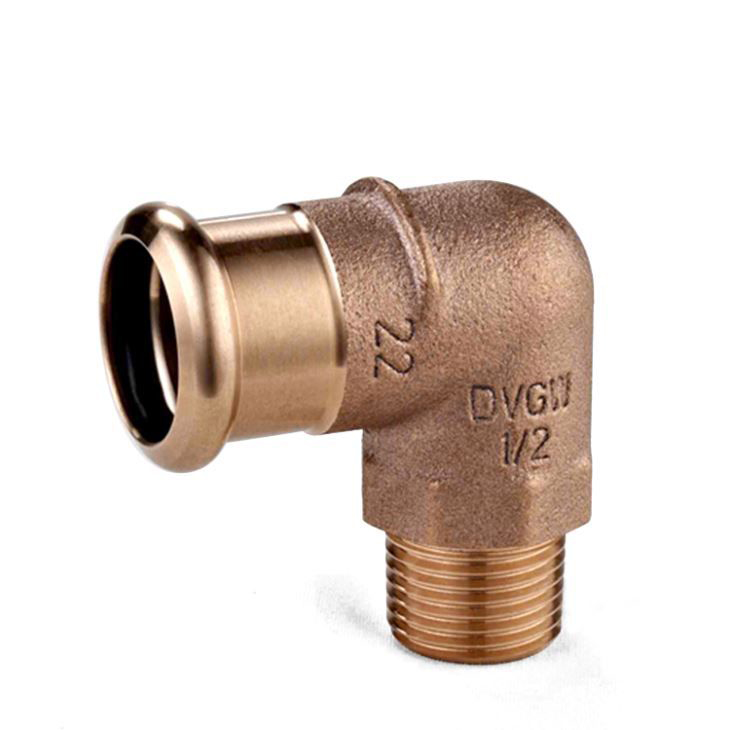
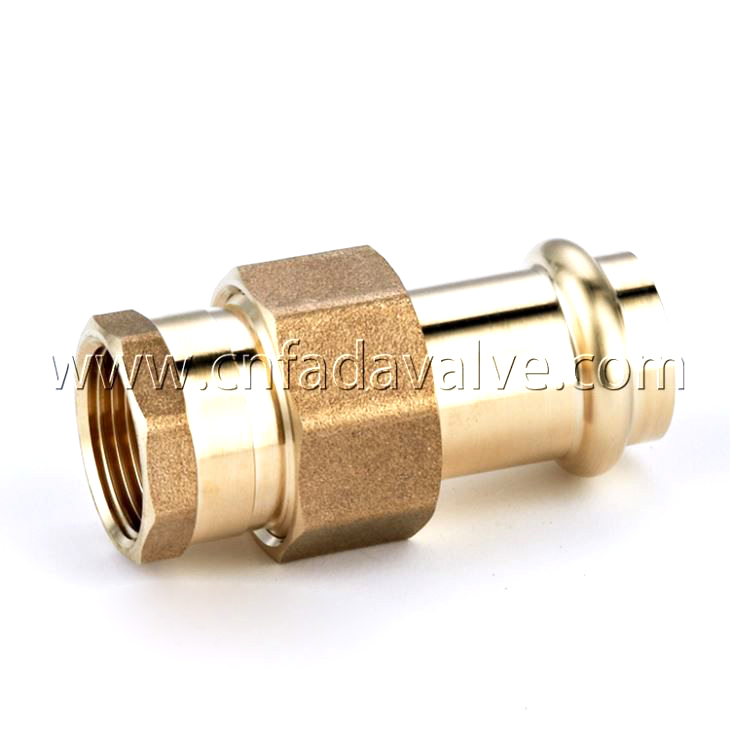
Press fit bronze adapters are widely used components in mechanical, hydraulic, and industrial systems where secure, leak-resistant, and durable connections are required. These adapters are installed by pressing them into a mating bore, creating a tight interference fit without the need for threads or additional fasteners. Bronze, as a material, offers a balance of strength, corrosion resistance, and machinability, making it suitable for a variety of operating environments. The advantages and design considerations of press fit bronze adapters can be understood from several complementary aspects, including material properties, structural design, installation performance, and application reliability.
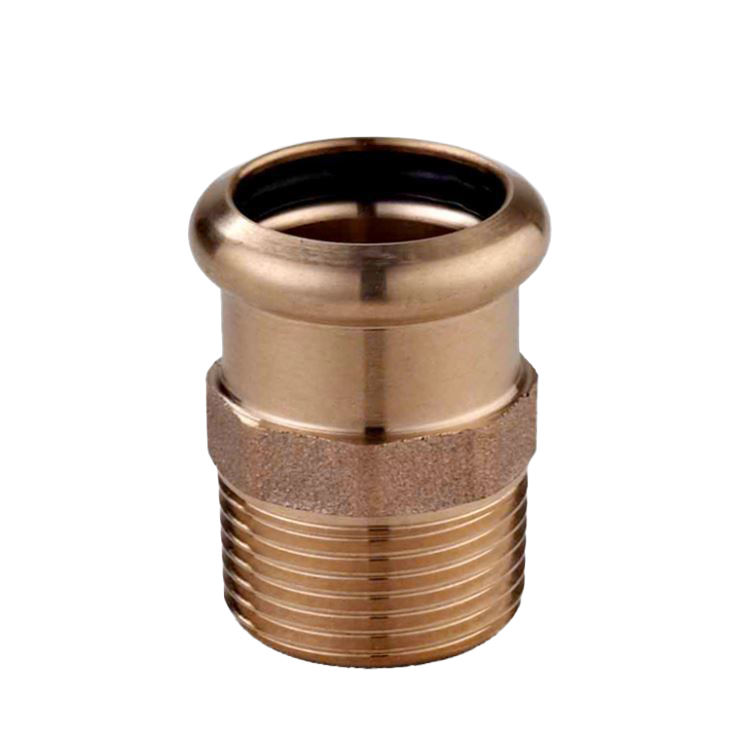
Material Properties and Performance Advantages
One of the primary advantages of press fit bronze adapters lies in the inherent characteristics of bronze alloys. Bronze is known for its good mechanical strength, wear resistance, and dimensional stability under load. Compared with softer metals, bronze maintains its shape during press fitting, which helps preserve the integrity of both the adapter and the mating component.
Bronze also offers favorable corrosion resistance, particularly in environments involving moisture, mild chemicals, or lubricants. This makes press fit bronze adapters suitable for hydraulic systems, fluid distribution assemblies, and general industrial machinery. Unlike ferrous materials, bronze does not rust, reducing the risk of seizure or degradation over time.
Another important material-related advantage is bronze's compatibility with dissimilar metals. When installed into steel or cast iron housings, bronze adapters can help reduce the risk of galling or excessive wear. This property is especially valuable in applications involving repeated load cycles or vibration.
Structural Design and Interference Fit Principles
The design of press fit bronze adapters is centered on the concept of interference fit. This means the outer diameter of the adapter is slightly larger than the inner diameter of the receiving bore. During installation, controlled force is applied to press the adapter into place, creating radial compression that secures the component.
Proper dimensional design is critical. The level of interference must be sufficient to prevent movement or leakage, but not so excessive that it causes deformation of the adapter or the housing. Engineers typically calculate interference values based on material properties, bore size, wall thickness, and operating conditions. Tolerances are carefully controlled during manufacturing to ensure consistent performance.
Chamfers and lead-in angles are often incorporated into the adapter design to facilitate alignment during installation. These features reduce the risk of damage to the bore edge and help guide the adapter into position. Some designs may also include grooves or internal features to support fluid flow, sealing elements, or connection to secondary components.
Installation Efficiency and Assembly Benefits
Press fit bronze adapters offer several advantages during assembly. Because they do not require threading, welding, or adhesive bonding, installation can be completed quickly using standard pressing equipment. This reduces assembly time and minimizes the need for specialized tools or skilled labor.
The absence of threads also eliminates the potential for thread damage, cross-threading, or loosening due to vibration. Once installed correctly, a press fit adapter remains securely in place under normal operating conditions. This reliability is particularly important in systems where maintenance access is limited.
Additionally, press fit installation reduces the number of components required in an assembly. There is no need for sealing tapes, thread sealants, or locking compounds, which simplifies inventory management and reduces potential contamination in fluid systems. The consistent press fit process also supports repeatable quality in high-volume manufacturing environments.
Application Reliability and Long-Term Design Considerations
From an application perspective, press fit bronze adapters are valued for their long-term reliability. The uniform contact pressure created by the interference fit helps maintain a stable seal and mechanical connection throughout the service life of the assembly. This stability is important in applications involving pressure fluctuations or thermal variation.
Designers must also consider service conditions such as temperature range, vibration levels, and exposure to fluids. Bronze adapters perform well across a moderate temperature range and are less prone to stress corrosion cracking than some other materials. However, proper material selection and surface finish remain important to avoid premature wear.
In some applications, ease of replacement is also considered during the design phase. While press fit adapters are intended to be permanent or semi-permanent, they can be removed with appropriate tools if necessary. Designing housings with adequate wall thickness and access points helps facilitate safe removal without damaging surrounding components.
The advantages and design of press fit bronze adapters reflect a balance between material performance, structural precision, assembly efficiency, and long-term reliability. When properly designed and installed, these adapters provide a dependable solution for a wide range of mechanical and fluid-handling applications.