+86-576-82686004
 allen@badavalve.com / daisy@badavalve.com



 EN
EN
 Español
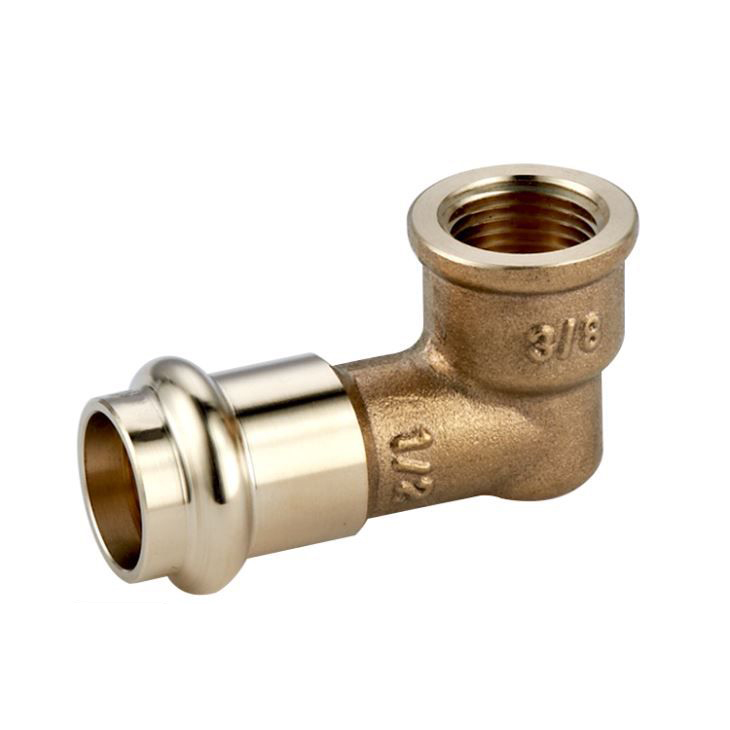
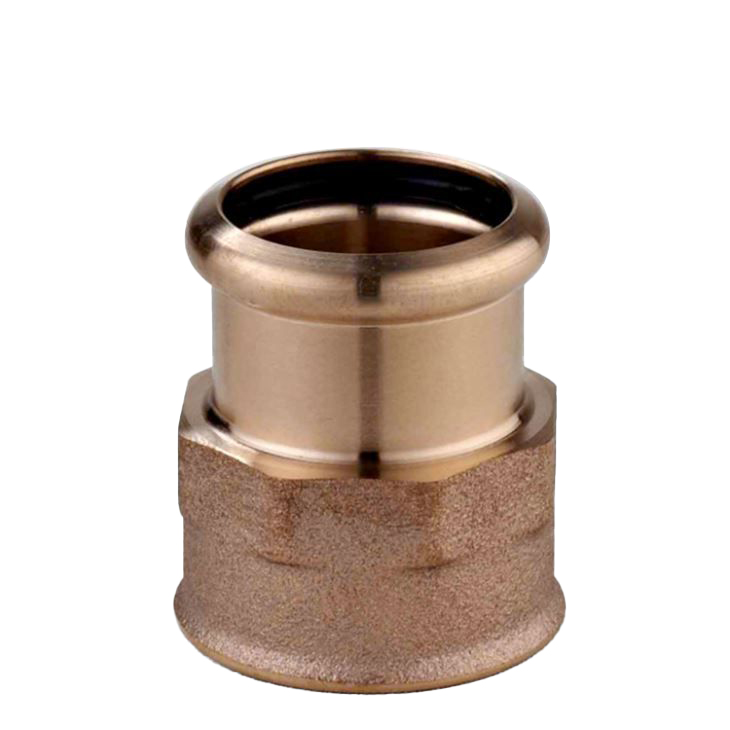
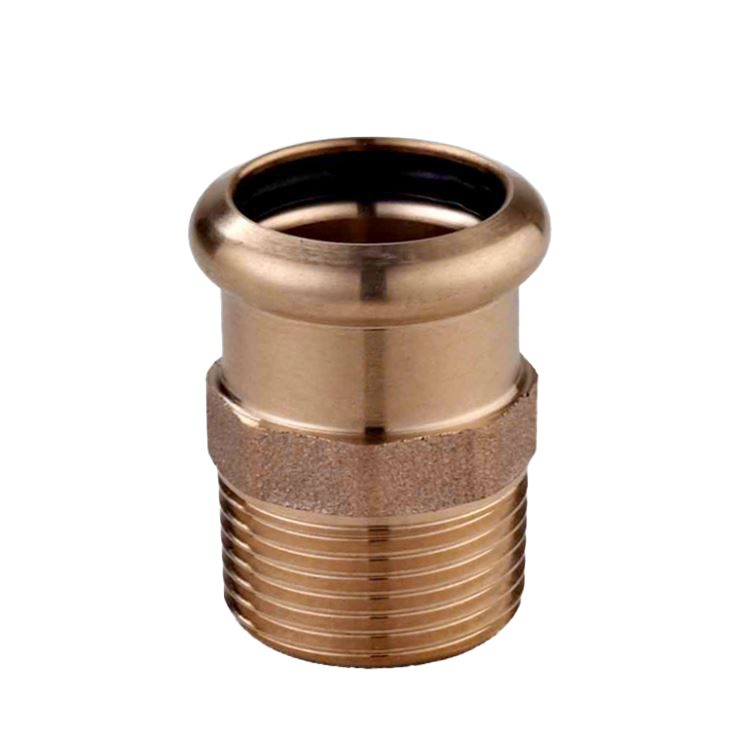
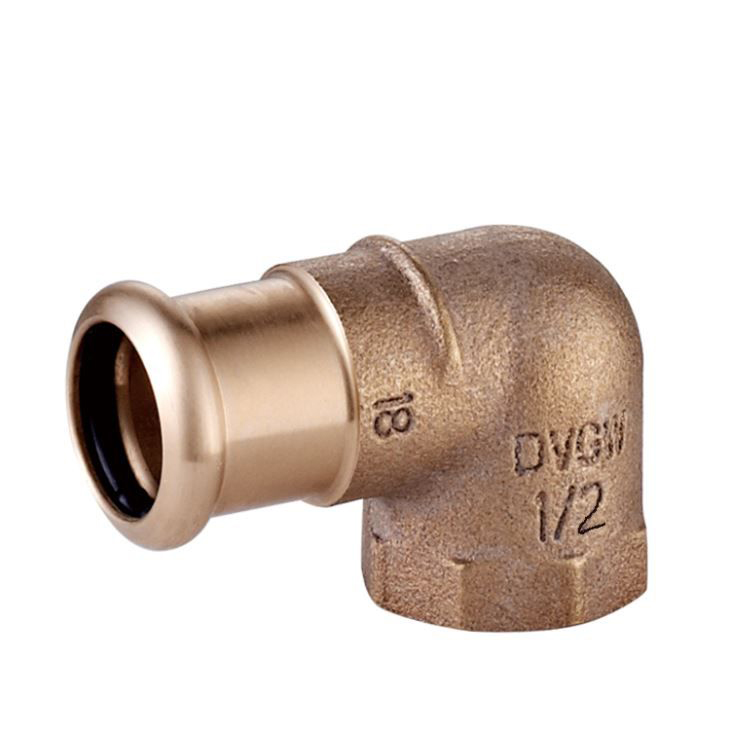
You have a project deadline closing in, a spec sheet in front of you, and a supplier quote that looks right — until the fittings arrive and nothing lines up. Thread mismatch, pressure rating below system requirements, material grade unsuitable for the fluid type. These are not unusual situations. They happen when the comparison process before purchase is rushed or incomplete, and the cost of fixing them — rework, delays, replacement orders — adds up quickly. No Lead Brass Fittings are specified across a wide range of applications, from potable water systems to commercial HVAC and industrial plumbing, and the selection criteria differ meaningfully across those contexts. Getting the comparison right before placing an order is where procurement risk is actually controlled.
Why Specification Matching Matters More Than Price Per Unit
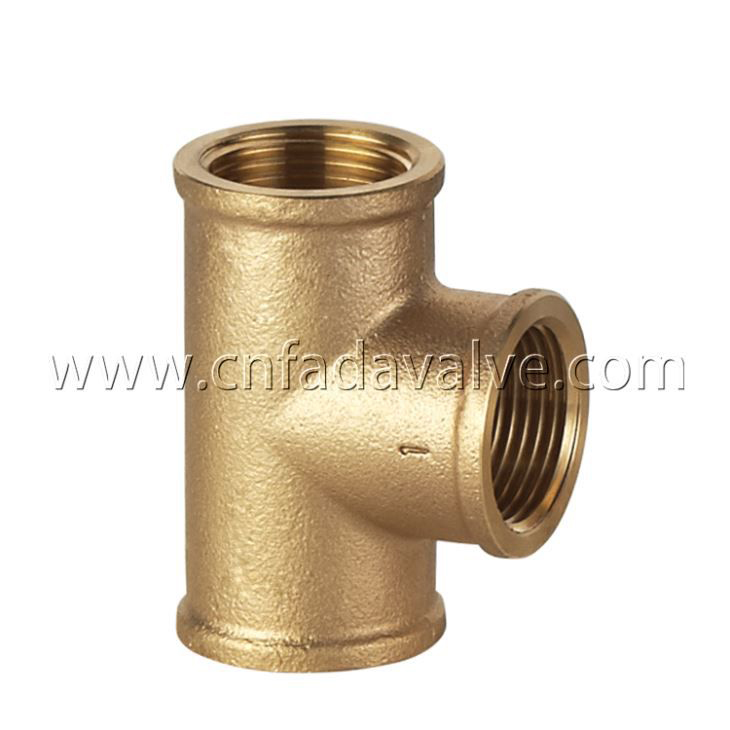
It is tempting to treat brass fittings as a commodity purchase. Same thread, roughly same size, price determines the choice. That logic breaks down when the application carries performance requirements — which many do.
A fitting that fails under pressure, corrodes in contact with the process fluid, or does not meet regulatory requirements for potable water does not save money. It creates liability, downtime, and replacement cost. The time spent comparing specifications before purchasing is not extra work — it is the work.
Three parameters carry significant weight in any pre-purchase evaluation:
- Size and thread compatibility — whether the fitting physically connects to the existing system
- Pressure and temperature rating — whether the fitting performs reliably within the system's operating conditions
- Material grade — whether the alloy is suited to the fluid type, environment, and any applicable compliance standards
Each of these can independently disqualify a product. A fitting that passes two checks but fails a third is not a partial fit — it is the wrong product.
Size and Thread: The Non-Negotiable Starting Point
Fitting selection always starts with dimensional confirmation. Not because it is a complex factor, but because it produces immediate and visible failures when wrong.
What to Confirm Before Ordering
- Nominal pipe size (NPS or DN): Verify the pipe diameter the fitting is designed to connect. This is not always the same as the fitting's external dimensions.
- Thread standard: NPT (National Pipe Tapered), BSP (British Standard Pipe), and metric threads are not interchangeable. A fitting with the wrong thread standard will not seal correctly regardless of how it is installed.
- Connection type: Threaded, compression, push-fit, and flanged connections each have specific requirements. Confirm the connection type matches both the fitting and the mating component.
- End configuration: Fittings come in a range of end combinations — male-to-female, male-to-male, reducing configurations. Ordering the correct end type matters as much as size.
Common Sizing Errors to Avoid
Thread size labeling is not always intuitive. A fitting labeled for a particular pipe size may have external dimensions that seem inconsistent with that label — this is a characteristic of pipe thread standards, not a product error. Cross-referencing the nominal size with a thread chart before ordering avoids confusion.
Reducing fittings and adapters carry two size designations. Both need to match the corresponding components in the system. Confirming both ends independently prevents mismatches at the connection points.
Pressure and Temperature Rating: Matching the System's Real Demands
A fitting rated for standard residential plumbing pressure will not perform reliably in a commercial system running at higher working pressure. Selecting a fitting with a pressure rating that matches — and reasonably exceeds — the system's operating conditions is a basic engineering requirement.
Key Pressure Parameters to Review
- Working pressure: The continuous pressure the fitting is designed to handle during normal operation. This should be compared against the system's actual operating pressure, not just the design pressure.
- Pressure rating at temperature: Brass fittings carry a combined pressure-temperature rating. As temperature increases, the safe working pressure decreases. For hot water systems, steam lines, or any application where elevated temperatures are involved, the temperature-adjusted pressure rating is the relevant figure — not the room-temperature rating.
- Surge and peak pressure tolerance: Systems with pumps, quick-closing valves, or flow fluctuations experience pressure spikes that exceed steady-state working pressure. Fittings in these systems need adequate tolerance to handle transient loads without fatigue or failure.
Applying This to Lead-Free Brass Valves
Lead-Free Brass Valves installed at control or isolation points carry the same pressure evaluation requirement as the fittings surrounding them. A valve with a lower pressure rating than the fittings in the same line creates a weak point in the system. When specifying both valves and fittings together, confirming consistent pressure ratings across all components prevents that inconsistency.
Material Grade: Choosing the Right Alloy for the Application
Not all brass is the same. The term "brass" covers a range of copper-zinc alloys, and the specific composition determines corrosion resistance, mechanical strength, machinability, and regulatory compliance. Selecting the wrong grade for an application can cause accelerated corrosion, dezincification, or non-compliance with health and safety standards — none of which are visible at installation time.
Why Lead Content Is a Threshold Issue
In potable water applications, brass composition falls under regulatory limits in many jurisdictions. Fittings used in drinking water systems must meet those limits to be legally installed, and in some regions the requirements are particularly stringent. No Lead Brass Fittings are specified for these applications because they meet the low-lead or lead-free thresholds required by health-related installation codes.
The compliance question is binary for potable water: either the fitting meets the applicable standard or it does not. Material grade selection in this context is not about performance optimization — it is about regulatory qualification.
Lead-Free Brass Alloy Comparison
Different alloy compositions are used across the no-lead brass category, and they are not interchangeable for all applications.
| Alloy | Composition Characteristic | Suited Application | Key Property |
|---|---|---|---|
| C46500 (Naval Brass) | Tin-modified for strength | Commercial and industrial plumbing | High mechanical strength |
| C69300 (BiLead-free) | Bismuth and silicon modified | Potable water fittings and valves | Low lead, good machinability |
| DZR Brass | Dezincification resistant | High-temperature and aggressive water | Resists zinc leaching |
| CW510L | European low-lead standard alloy | EU-market plumbing systems | Regulatory compliance focus |
Selecting among these requires knowing the fluid type, operating temperature, water chemistry, and the compliance standard applicable to the installation location. A fitting suited for industrial fluid systems may not qualify for potable water use, and a potable water fitting may not carry the mechanical strength needed for a high-pressure industrial application.
Dezincification Resistance: When It Matters
In environments with aggressive water chemistry — high chloride content, low pH, elevated temperature — standard brass alloys can experience dezincification: a process where zinc leaches from the alloy, leaving a porous, weakened copper structure behind. DZR (dezincification resistant) brass alloys are formulated specifically to resist this process.
For projects involving hard water, recirculating hot water systems, coastal environments, or municipal supplies with high chlorination, specifying DZR or equivalent dezincification-resistant alloys is a long-term reliability decision, not just a material preference.
Compliance and Certification: The Layer That Overrides Technical Selection
Even when size, pressure rating, and alloy grade are correctly matched to the application, the fitting still needs to carry the appropriate certification for the installation context. In regulated environments, a technically correct but non-certified fitting cannot be legally installed.
Certifications Relevant to No Lead Brass Fittings
- NSF/ANSI 61: Covers the health effects of materials in contact with potable water. Fittings installed in drinking water systems are typically required to carry this certification or its regional equivalent.
- NSF/ANSI 372: Specifically addresses the allowable content of a restricted metal, defining the threshold for classification as free of that metal in potable water components.
- WRAS (Water Regulations Advisory Scheme): The UK equivalent certification for water contact materials. Required for plumbing installations in the United Kingdom.
- REACH and RoHS compliance: Relevant for projects with European regulatory requirements, particularly regarding restricted substances in materials.
Requesting certification documentation from a supplier is a standard part of the procurement process for regulated applications. A supplier who cannot provide documentation for the certifications their products are claimed to carry introduces compliance risk into the project.
How Does the Application Type Change the Selection Logic?
The same three parameters — size, pressure, material grade — apply across all applications, but the weighting and threshold requirements shift depending on the system type.
Potable Water Systems
Compliance is the governing filter. Alloy grade must meet lead-free thresholds. Certifications must be current and applicable to the jurisdiction. Pressure rating must match system working pressure with adequate tolerance. Size must match existing pipe specifications.
Shortcuts in any of these areas create liability. In potable water installations, material compliance is not a preference — it is a legal requirement.
HVAC and Hydronic Systems
Pressure-temperature rating carries more weight here, particularly in systems with high-temperature circuits or variable pressure conditions. Dezincification resistance becomes relevant in recirculating systems with aggressive water treatment chemistry. Lead-free certification may still be required depending on whether any part of the system connects to potable water supply.
Lead-Free Brass Valves in HVAC applications are often specified as a project-wide standard rather than on a system-by-system basis, simplifying procurement and ensuring consistent compliance across the installation.
Industrial Fluid Systems
Material compatibility with the process fluid is the governing consideration. Not all brass alloys are suitable for all fluid types — some industrial fluids attack zinc-based alloys aggressively. Pressure ratings must account for process conditions that may exceed typical plumbing system pressures. Corrosion allowance and service life expectations should factor into alloy selection.
In industrial contexts, a Lead Free Brass Nipple connecting two sections of process pipe carries the same material compatibility requirements as any other component in the line. Thread integrity under repeated assembly and disassembly, mechanical strength under vibration or thermal cycling, and resistance to the specific fluid chemistry all warrant evaluation.
A Pre-Purchase Checklist for Buyers
Before confirming any order for No Lead Brass Fittings, running through a structured checklist reduces the risk of receiving product that cannot be used:
- Size confirmed: Nominal pipe size, thread standard (NPT/BSP/metric), connection type, and end configuration all verified against system drawings or existing components
- Pressure rating reviewed: Working pressure at the relevant operating temperature checked against fitting specification; surge tolerance considered where applicable
- Material grade specified: Alloy identified and matched to fluid type, operating environment, and water chemistry; DZR specified where dezincification risk exists
- Certifications requested: NSF/ANSI 61 and 372, WRAS, or applicable regional equivalents requested and confirmed for the delivery batch
- Supplier documentation reviewed: Material test reports, certification documents, and product datasheets reviewed before purchase confirmation
- System compatibility cross-checked: Fittings, Lead-Free Brass Valves, and nipples in the same system confirmed to carry consistent pressure ratings and compatible material grades
Procurement Without Guesswork Starts With the Right Supplier
Comparing specifications before purchase only works if the supplier provides accurate and complete documentation. A product listed as compliant without supporting certification, or a pressure rating stated without temperature-adjustment information, leaves the buyer carrying the risk that the supplier should be absorbing. Working with a manufacturer who understands the technical requirements of the applications they supply — and who can provide the documentation to back their product claims — is not a premium option. It is the baseline that responsible procurement requires. Taizhou Bada Valve Co., Ltd. manufactures No Lead Brass Fittings, Lead-Free Brass Valves, and related brass components for potable water, HVAC, and industrial applications. If you are in the process of evaluating specifications for an upcoming project and need technical documentation, material certification, or application-specific guidance, reaching out directly is the practical next step. Clear specifications and accurate product data should come from the supplier — not be assembled from guesswork after the order has already shipped.