+86-576-82686004
 allen@badavalve.com / daisy@badavalve.com



 EN
EN
 Español
Plumbing failures don't always announce themselves. A joint that holds pressure during installation might weep slowly for months before anyone notices — and by then, the damage to walls, ceilings, or water quality reports has already been done. For contractors and procurement teams working on drinking water infrastructure, material compliance and installation precision carry consequences that go well beyond a single job site. Using No Lead Brass Fittings correctly isn't just about following a checklist; it's about understanding why each step matters and what goes wrong when it doesn't.
What Separates No Lead Brass from Standard Brass Fittings?
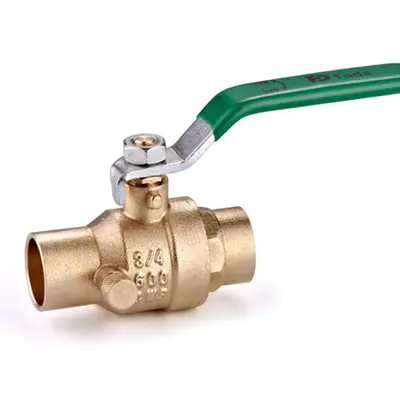
The Material Difference Is More Than a Label
Traditional brass alloys have long included a processing aid — it improves machinability and reduces tool wear. That trade-off was acceptable for general plumbing until stricter drinking water regulations drew attention to what leaches into water over time. Brass alloys without that additive instead use bismuth or silicon, which preserve workability while avoiding the same risk.
The shift in composition affects more than just certification paperwork. Certain alloys without that additive behave slightly differently under torque and thermal cycling, which is worth keeping in mind during installation. Treating them identically to older brass formulations can introduce stress fractures that aren't immediately visible.
Why Potable Water Systems Require Verified Compliance
Not everything marketed as "low lead" or "lead free" carries the same documentation. Regulatory frameworks for drinking water impose specific thresholds on the weighted average content of that additive on wetted surfaces — and these thresholds have tightened over time across multiple markets. Procuring materials without verifiable compliance records creates liability exposure that can affect an entire project's certification status.
For commercial water systems, municipal contracts, and institutional builds, compliance documentation is often a condition of award. Verifying it before ordering — rather than during installation — prevents costly substitutions later.
Before You Touch a Wrench: Pre-Installation Checks
Inspecting Fittings Upon Arrival
It's easy to assume that properly sourced components arrive ready to install. In practice, transit damage, handling errors, and manufacturing variation all affect a percentage of any shipment. Inspecting fittings before installation isn't excessive caution — it's efficient project management.
Run through the following before staging any components:
- Examine threads for burrs, nicks, or deformed crests that might prevent proper engagement
- Check the body for surface cracks, especially near the shoulder and around any hex flats
- Confirm the end connection type matches the pipe it's intended for (tapered, parallel, compression, or other)
- Match the size marking to the system specification — label errors happen
Catching a defective fitting before it goes into the wall takes a few seconds. Discovering it after the system is pressurized takes considerably longer.
Does Thread Type Actually Affect the Seal?
Yes, and significantly. NPT and BSP threads are both common in plumbing systems, but they are not geometrically compatible. NPT threads taper and seal through thread deformation; BSP parallel threads rely on an end-face seal or sealant. Mixing them creates joints that feel hand-tight but cannot seal properly under pressure.
Before work begins, confirm the thread standard used throughout the system section. When adapters are genuinely necessary, use purpose-made transition fittings and document the locations for future maintenance.
Step-by-Step Installation Process
Preparing Pipe Ends and Threads
Clean threads seal. Contaminated threads leak. That relationship is consistent and predictable, which makes pre-installation cleaning a straightforward way to avoid a large category of problems.
Use a wire brush or thread cleaning tool on both male and female surfaces. Remove old sealant residue completely — layers of tape from previous assemblies compress inconsistently and interfere with new thread engagement. On copper or soft metals, keep cleaning strokes aligned with the thread helix to avoid scoring the profile.
After cleaning, inspect both pipe and fitting threads. A damaged pipe end will cause a poor seal regardless of the fitting quality.
Choosing Between Tape and Compound
Both PTFE tape and liquid thread sealant work with brass fittings. The choice depends less on personal preference than on application conditions:
| Sealant Type | Application Method | Suited For |
|---|---|---|
| PTFE Tape | Wrap clockwise onto male threads, two to three layers | General water and gas lines |
| Liquid Thread Sealant | Brush evenly onto male threads | High-vibration or high-pressure lines |
| Anaerobic Sealant | Apply sparingly; activates on metal contact | Permanent joints, hydraulic applications |
Regardless of which type is used, apply sealant to male threads only. Applying it to female threads does not improve the seal and increases the chance of debris entering the line.
Hand-Tighten Before Using Any Tool
Threading a fitting by hand until it seats under finger resistance serves two purposes: it confirms thread alignment before any torque is applied, and it allows you to detect cross-threading while it can still be corrected without damage.
If the fitting doesn't engage smoothly and evenly by hand, don't apply a wrench. Remove it, check the thread start, realign, and try again. Brass threads stripped by cross-threading under tool pressure generally cannot be repaired — the fitting needs replacement.
How Much Torque Is Actually Enough?
Over-tightening is responsible for a significant share of fitting failures in brass systems. The material yields under excessive torque in ways that aren't always visible immediately — internal cracking can develop without any outward sign until pressure is applied.
Practical guidelines for wrench use:
- After hand-tight engagement, advance with a wrench using steady, controlled pressure
- Use the hex flats on the fitting wherever they exist — gripping the body with a pipe wrench concentrates stress in the wrong place
- If resistance drops suddenly during tightening, stop; this may indicate a thread or body fracture
- Fitting size and pressure rating affect how much additional travel is appropriate after hand-tight
When working with a brass nipple without that additive or other smaller-diameter components, apply proportionally less force — the cross-section carrying load is smaller, and the margin before damage is narrower.
Common Installation Errors Worth Knowing
Cross-Threading: Easy to Cause, Difficult to Correct
Cross-threading occurs when the fitting starts at a slight angle, causing the threads to engage on mismatched pitches. The connection may feel like it's tightening correctly until it jams — at which point the threads on both components may already be damaged.
Prevention requires nothing more than consistent hand-starting practice and patience when a fitting meets resistance. In high-volume installation environments, it's worth occasionally checking thread condition on a random sample of connections before closing up walls.
Galvanic Corrosion in Mixed-Metal Systems
Brass connected directly to aluminum or certain stainless steel alloys creates conditions for electrochemical corrosion. Over time, the less noble metal degrades at the interface — a gradual process that weakens the joint and, in potable water systems, can affect water quality.
Mitigation strategies include:
- Installing dielectric unions at transitions between dissimilar metals
- Applying anti-corrosion compounds at the joint surface
- Reviewing system layout to reduce direct contact between incompatible metals where the design allows it
Should Every System Be Pressure Tested Before Use?
Every system, without exception. A pressure test after installation identifies leaks at joints before the system carries live fluid. For water supply lines, pressurize the system and hold that pressure while visually inspecting each connection.
If a joint shows movement or the system loses pressure:
- Depressurize before making any adjustments
- Do not retighten or attempt repairs while the line is under load
- Replace any fitting that was overtightened and cracked rather than trying to seal it with additional tape
Keeping Fittings in Service: Maintenance Considerations
Scheduled Checks Extend System Life
Correctly installed fittings in stable conditions can perform reliably for a long time. Systems with temperature variation, pressure cycling, or high-vibration environments place more demand on joints over time. Periodic inspection catches deterioration before it becomes an unplanned shutdown.
During scheduled maintenance:
- Look for mineral deposits or discoloration around joint areas — these often indicate slow seeping
- Check fittings in mechanically active areas for signs of loosening
- Note any surface pitting or unusual discoloration that might suggest chemical incompatibility with the conveyed fluid
When Reuse Is Not the Right Choice
Threaded fittings are not indefinitely reusable. Each disassembly-and-reassembly cycle wears thread profiles slightly, and fittings that have been overtightened or exposed to aggressive conditions carry additional fatigue. For systems supplying drinking water, replacing aging fittings on a defined schedule is reasonable practice — especially in commercial or institutional settings where water quality monitoring is ongoing.
Working with a Manufacturer Who Understands the Application
What to Evaluate When Sourcing
Supplier selection affects project outcomes in ways that don't always appear on the invoice. When evaluating sources for fittings used in potable water systems, consider:
- Availability of material certification and compliance documentation
- Manufacturing process consistency, including whether fittings are forged or cast
- Capacity to fulfill custom dimensions or non-standard configurations
- Responsiveness to technical questions before and after the sale
- Experience supplying comparable projects in terms of scale and regulatory environment
For teams sourcing at volume, a manufacturer with clear quality control procedures and traceable production records reduces risk across the supply chain.
Taizhou Bada Valve Co., Ltd.
For projects requiring verified, compliant fittings at a consistent standard, Taizhou Bada Valve Co., Ltd. manufactures a range of brass products suited to potable water systems, commercial plumbing, and related applications. The company supports both standard configurations and project-specific requirements, with documentation available to assist procurement and compliance review processes. Whether the work involves residential installations or larger commercial water infrastructure, having a manufacturer that understands both technical requirements and regulatory context reduces uncertainty from the sourcing stage onward. If your procurement needs include brass fittings without that additive, with documented quality standards, contacting the team to discuss specifications is a practical place to begin.