+86-576-82686004
 allen@badavalve.com / daisy@badavalve.com



 EN
EN
 Español
Lead-free brass fittings are widely used in plumbing, water supply systems, and industrial applications. Unlike traditional brass, which contains lead to improve machinability, lead-free brass limits lead content to meet safety standards and prevent contamination in potable water systems. These fittings are valued for their corrosion resistance, durability, and compliance with regulations such as the U.S. Safe Drinking Water Act.
Types of Lead-Free Brass Fittings
Lead-free brass fittings are available in several standard forms to meet different installation needs. Common types include:
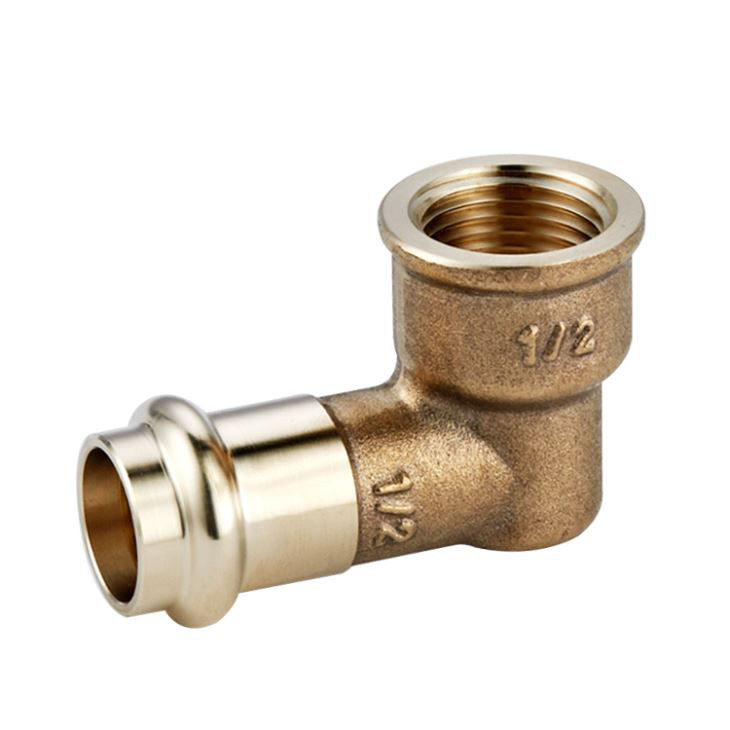
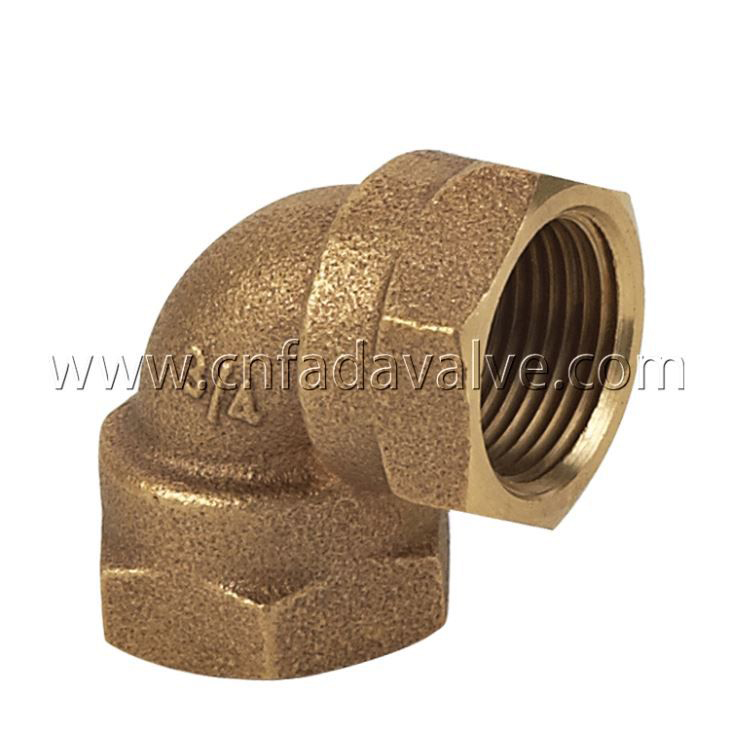
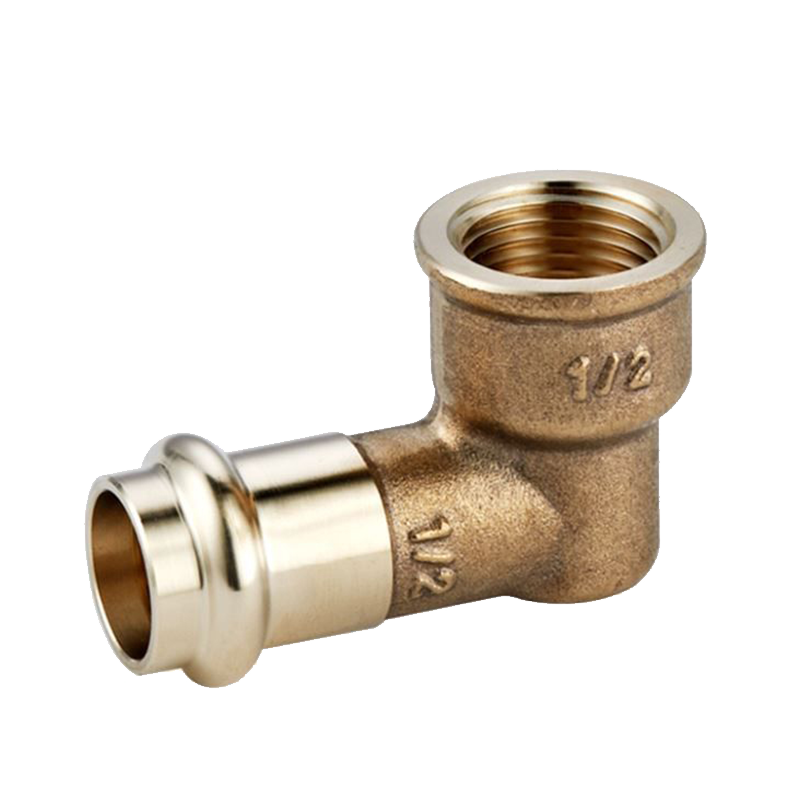
Elbows
Used to change the direction of piping, typically at 45° or 90°.
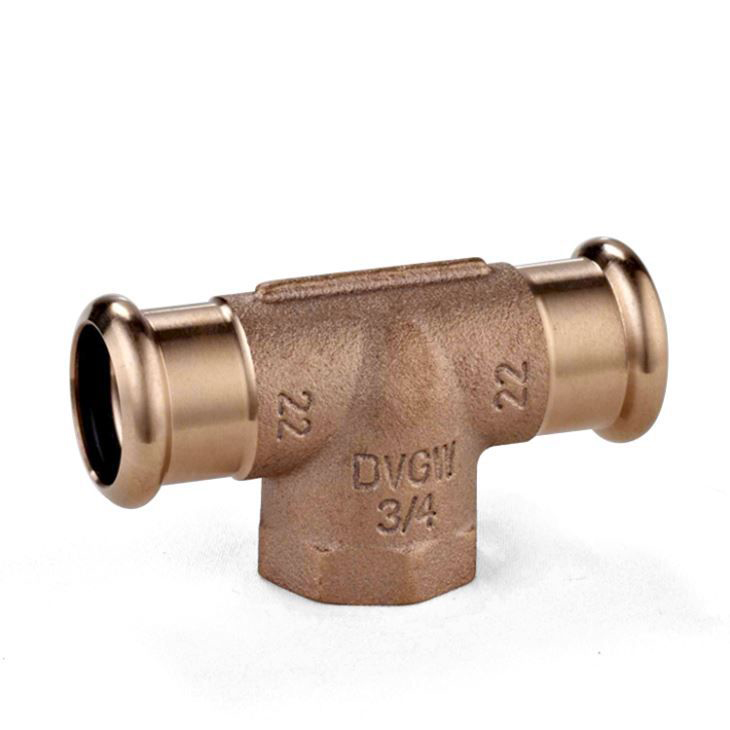
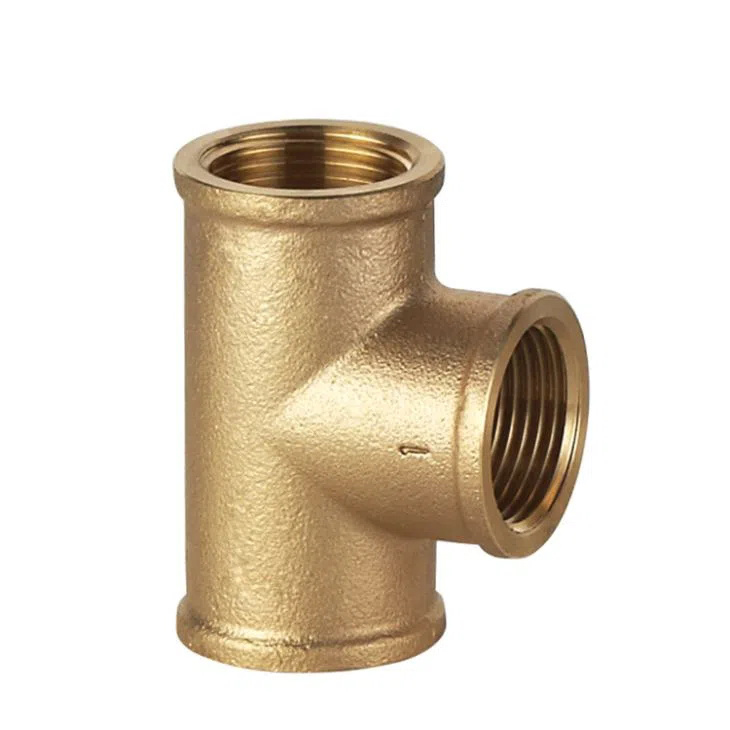
Tees
Designed to connect three pipes, allowing fluid flow to split or combine.
Couplings
Straight fittings are used to connect two pipes of the same diameter.
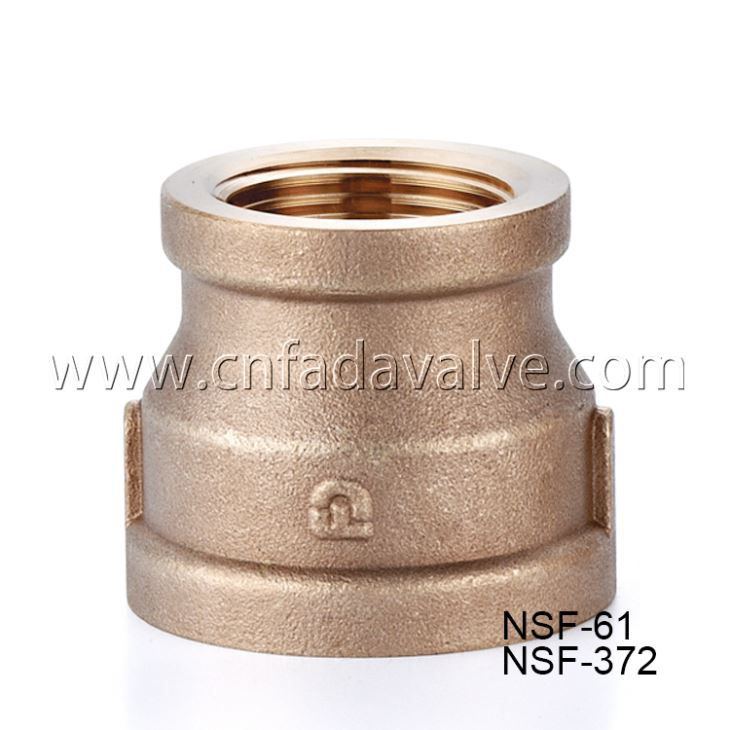
Reducers
Facilitate the connection of pipes with different diameters while maintaining a secure seal.
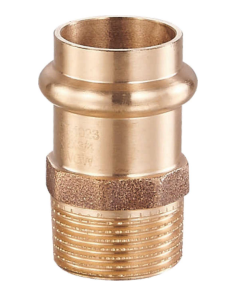
Adapters
Allow the connection of pipes with different types of threads or materials.
Caps and Plugs
Used to close the end of a pipe or fitting temporarily or permanently.
Unions
Enable easy disconnection and reconnection of piping without cutting.
Valves
Include ball valves and check valves that regulate or stop fluid flow.
Bushings
Reduce or enlarge pipe size and adjust thread compatibility.
Each type is selected based on system requirements, pipe size, and installation method, ensuring secure and leak-free connections.
Common Uses of Lead-Free Brass Fittings
Lead-free brass fittings are commonly applied in environments that require safe and reliable fluid transport. Key uses include:
Potable Water Systems
Ensures that drinking water remains free from lead contamination while maintaining consistent flow.
Residential Plumbing
Employed in household piping, sinks, and faucets to comply with health regulations.
Commercial Buildings
Used in office buildings, schools, and hospitals where safe water distribution is critical.
Industrial Water Lines
Suitable for circulating water in processes where lead exposure must be minimized.
Irrigation Systems
Applied in agricultural or landscaping irrigation to maintain water quality for plants and crops.
Heating and Cooling Systems
Utilized in hydronic heating or chilled water systems where corrosion resistance is required.
Marine Applications
Often employed in potable water lines on boats or ships, due to corrosion resistance in freshwater conditions.
Appliances
Incorporated in water-using devices such as water heaters, ice machines, and filtration systems.
These applications highlight the importance of lead-free brass fittings in both safety and regulatory compliance while providing durable performance in multiple fluid systems.
Notes on Using Lead Free Brass Fittings
Proper use of lead-free brass fittings is critical to ensure both safety and long-term performance. Several precautions should be observed:
Verify Material Compliance
Always confirm that fittings meet local regulations for lead content, especially for potable water installations.
Check Pipe Compatibility
Ensure that the fittings are compatible with the pipe material and diameter. Incompatible connections may cause leaks or mechanical stress.
Avoid Over-Tightening
Over-tightening threaded connections can damage the fitting or the pipe threads, leading to leaks or cracking.
Use Proper Sealing Methods
Apply thread sealant or PTFE tape according to manufacturer instructions to ensure leak-free joints.
Inspect Before Installation
Check for defects such as cracks, rough edges, or debris that could interfere with sealing.
Maintain Clean Installation Environment
Dirt or metal shavings can damage the fitting or affect water quality, so cleanliness is essential during assembly.
Prevent Excessive Stress
Avoid bending pipes or applying force that could put pressure on the fitting. Proper alignment reduces mechanical strain.
Regular Maintenance Checks
Inspect fittings periodically for leaks, corrosion, or wear, particularly in systems with high water pressure or temperature variations.
Following these guidelines helps maximize the service life of lead-free brass fittings while ensuring safe operation and regulatory compliance.
Lead-free brass fittings are essential components in modern plumbing and fluid systems. Understanding their types, applications, and proper usage ensures safe, durable, and efficient operation across residential, commercial, and industrial settings.