+86-576-82686004
 allen@badavalve.com / daisy@badavalve.com



 EN
EN
 Español
Overview of the Press Fit Bronze Adapter Structure
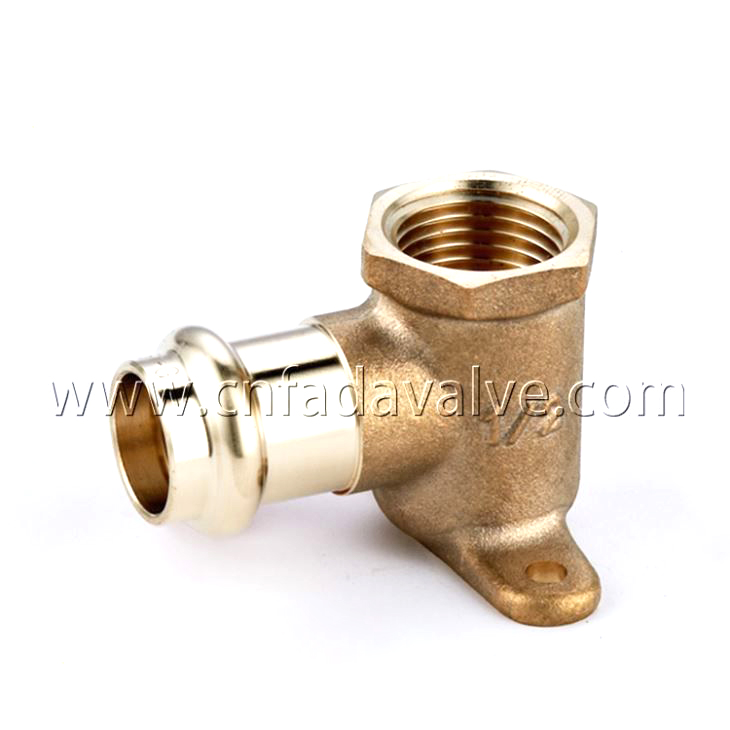
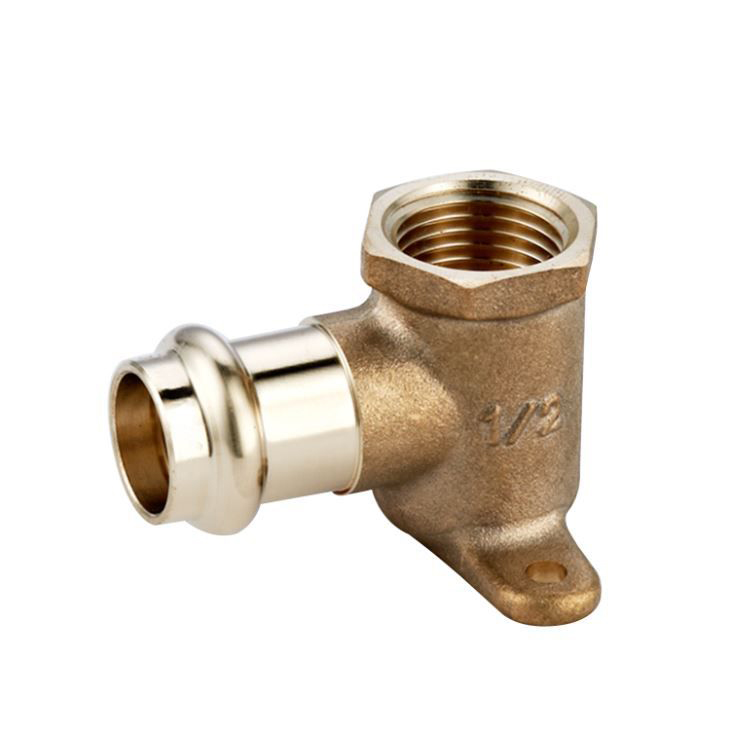
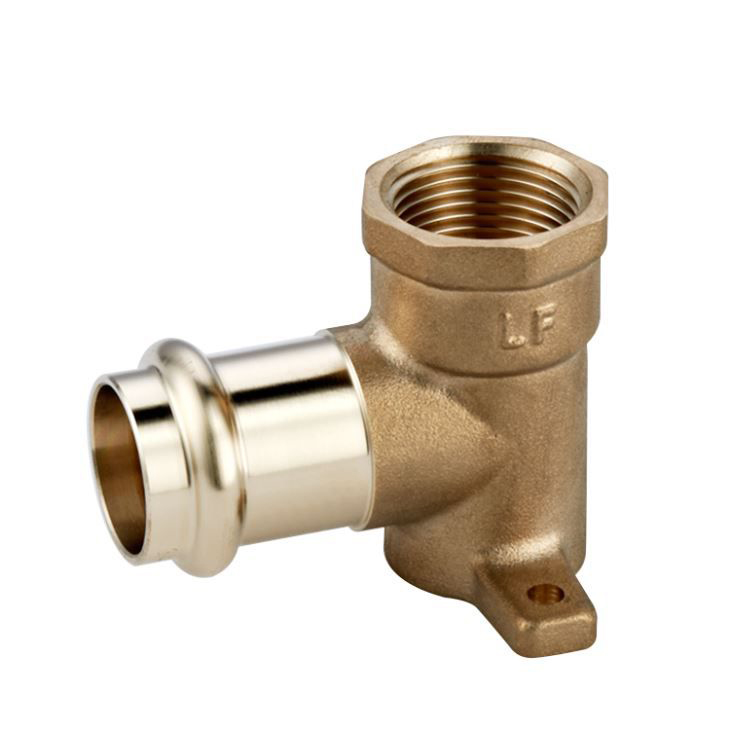
The structure of a press fit bronze adapter includes several identifiable parts: the body, press sleeve, sealing elements, pipe insertion end, and connection interface. Each part has a specific role in ensuring that the adapter performs well under varying pressures and environmental conditions. Although sizes and shapes may differ among manufacturers, the general structure remains consistent across designs.
This type of fitting is widely used in residential, commercial, and industrial plumbing systems. Its structure supports fast installation, reduced flame risk compared with soldering, and dependable sealing performance. Understanding the components and their functions helps professionals and users make informed decisions when selecting or installing press fit fittings.
Body Structure and Its Function
The main body of the adapter is the central structural part that houses all other components. It is usually cast or machined from bronze, giving it the strength needed to withstand internal water pressure and temperature changes. The body is shaped to accommodate internal seals, hold the press sleeve in place, and maintain the correct dimensions for pipe insertion.
One function of the body is to provide a stable connection point between two different types of pipe systems. For example, one end may be designed for press fit connection, while the other end may feature threads or a different adapter style. This dual-function structure allows plumbers to transition between materials such as copper, PEX, or multilayer piping.
The body also ensures that the internal components remain aligned during installation. Its smooth internal surfaces facilitate proper seating of the sealing elements. Externally, the body often includes markings indicating size, material type, and press profile, helping installers identify the correct fitting quickly.
Press Sleeve and Its Function
The press sleeve, sometimes called the crimp ring or metal collar, surrounds the press end of the adapter. It is typically made from stainless steel or another durable metal that maintains its shape under pressure. The press sleeve is designed to be compressed using a press tool, permanently deforming around the pipe and fitting body to create a strong joint.
The sleeve has several important functions. Its primary role is to lock the pipe securely onto the adapter body after pressing. When compressed, it forms a permanent mechanical connection that resists pull-out forces and internal pressure. The press sleeve also protects the sealing elements from external forces during installation. By applying compression evenly, it ensures that the sealing rings maintain their correct position.
Some press sleeves come with visual markers such as grooves, alignment dots, or plastic collars that indicate correct pipe insertion depth. These markers help installers confirm that the pipe is fully seated before pressing, reducing installation errors.
Sealing Elements and Their Function
Inside the press end of the adapter are one or more sealing elements, often made from elastomer materials such as EPDM or NBR. These seals, commonly referred to as O-rings, are essential for creating a watertight connection. Their placement within the body ensures that when the fitting is pressed, the seals compress evenly around the pipe's surface.
The function of the sealing elements is to prevent leaks by forming a tight barrier between the pipe and the fitting body. They compensate for minor surface irregularities on the pipe and allow the fitting to handle pressure variations without losing integrity. In addition to providing a watertight seal, the O-rings also help absorb vibrations and small movements within the pipe system.
Some adapters include multiple sealing rings to enhance pressure resistance or support specific applications such as hot water systems. The choice of sealing material may depend on temperature requirements, chemical exposure, or local plumbing standards.
Pipe Insertion End and Connection Interface Function
The pipe insertion end is the opening where the pipe is inserted before pressing. Its interior is shaped to guide the pipe smoothly toward the sealing elements and ensure correct alignment. Tapered surfaces or stop points help achieve a secure fit. The insertion end prevents the pipe from shifting during pressing, contributing to a consistent seal.
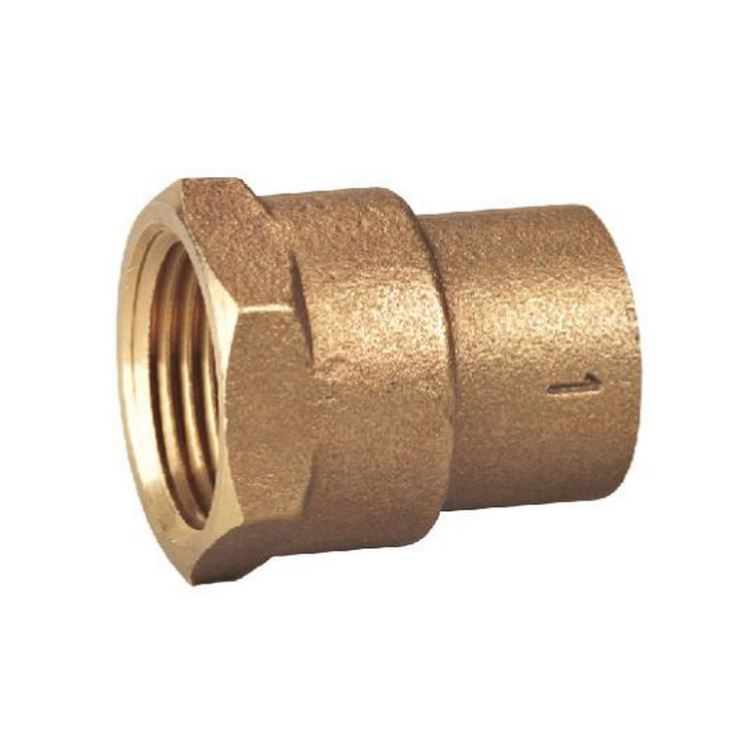
The connection interface on the opposite end varies depending on the application. It may include male or female threads, another press connector, or a soldering end. Each interface type serves a specific function, enabling the adapter to link different pipe systems or extend existing lines. Threaded ends allow connection to valves or fixtures, while smooth press ends allow transitions within press fit systems.